
Our
Locations
-
World HQ

6700 Côte de Liesse, suite 206,
+1 514 636-1099
Montréal, Canada,
H4T 2B5 -
Ireland

Suite 3230, Building 3000, Westpark Business Campus, Shannon, Clare, V14 AN29
+353 61 475 802 -
San Marino

World Trade Center, Via Consiglio dei Sessanta,
+39 0549 942-551
99, 47891 Dogana, San Marino


Private Jet Charter in Paris: Le Bourget vs Charles de Gaulle (CDG)
Private jet charter in Paris begins with a decision most travellers never realize they are making: which airport. The city is served by three, though only one exists almost entirely for private aviation. This guide covers Le Bourget, the narrower cases where Charles de Gaulle (CDG) earns its place, and how aircraft and airport get matched to a trip.
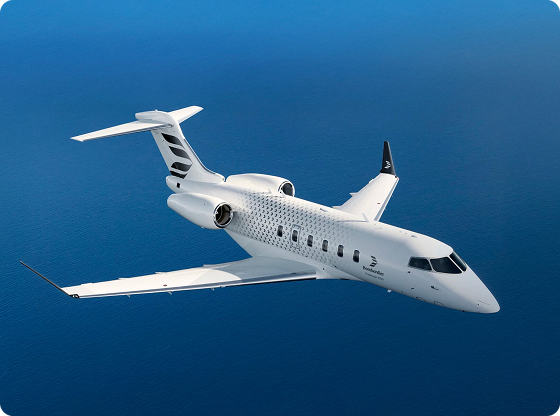
Why Airport Choice Matters
Paris has three airports, but the private jet airports in Paris are not equal in purpose. Le Bourget is fully dedicated to general aviation. Charles de Gaulle and Orly remain commercial hubs that accommodate private traffic within limits.
That distinction shapes everything downstream: how quickly you clear the airfield, which procedures apply, how far you sit from the city, and what the arrival actually feels like for passengers. Knowing which airport is which saves time long before a flight is booked.
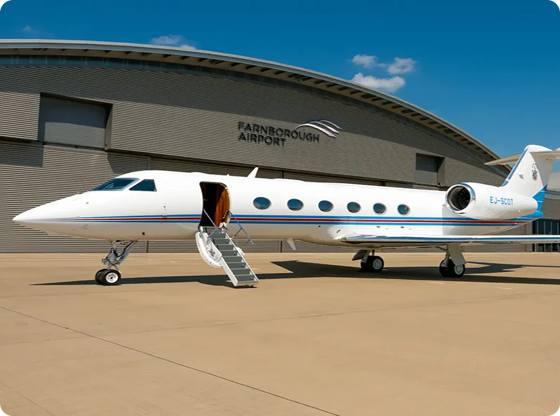
Le Bourget Airport: Paris's Main Hub
Le Bourget Airport is the capital’s business aviation gateway, built and operated almost exclusively for non-scheduled charter, corporate travel, and air taxi work rather than airline traffic.
It sits roughly 7 to 11 kilometres northeast of central Paris, depending on where you measure from. Its history runs deep, from Lindbergh’s transatlantic landing in 1927 to the Paris Air Show, which takes over the airfield every second year. Multiple business aviation terminals sit on the field, and customs operates on site around the clock.
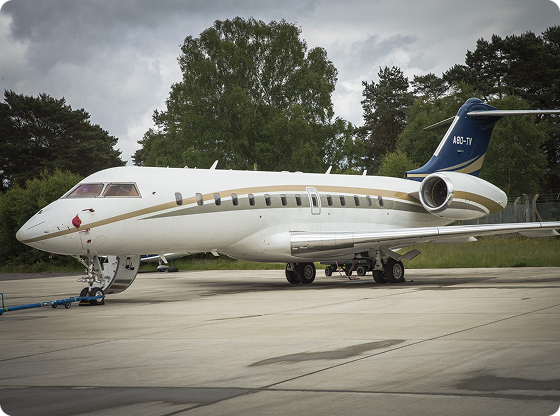
What Makes Le Bourget Different
Efficiency at Le Bourget comes largely from what is absent. Private flights compete with no scheduled commercial traffic for runway capacity, and they are not slot coordinated the way movements are at a major hub.
Procedures move faster as a result. A Paris private jet charter arriving here meets an ecosystem of FBOs, handlers, and services designed around private travellers rather than adapted for them after the fact. Prior approval is not required for private and business movements, which simplifies planning considerably.
FBOs and Ground Transfers
Ground transfers into central Paris are typically brief by car, though heavy traffic can stretch that considerably at peak hours.
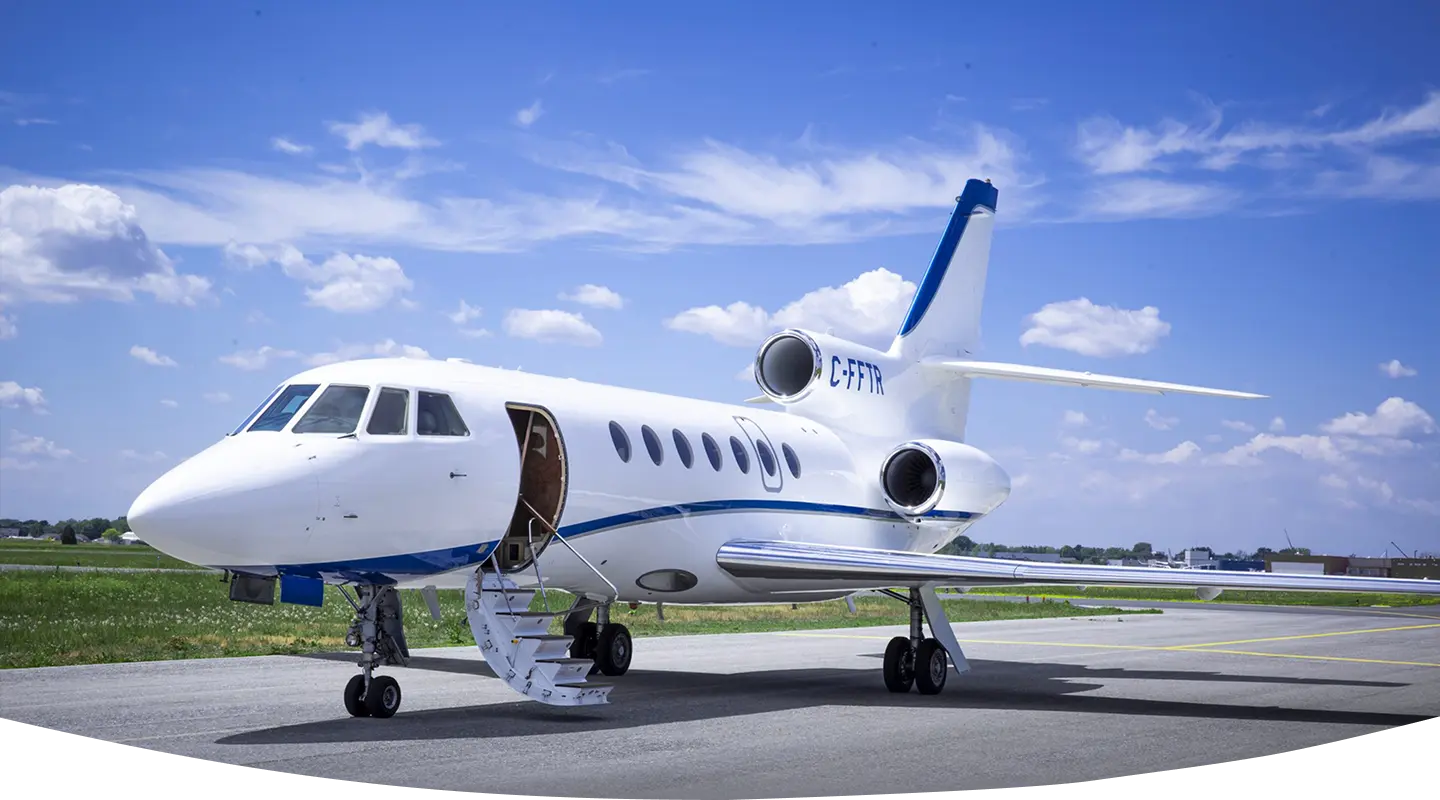
Several FBOs operate at the field, each offering dedicated handling, private lounges, and discreet arrival routes. A private jet charter to Paris landing at Le Bourget involves no commercial terminal and no queue, and in most cases the transfer runs directly from aircraft to car. Arrival and departure routes stay separate from scheduled passenger flows entirely.
When CDG Fits Your Trip
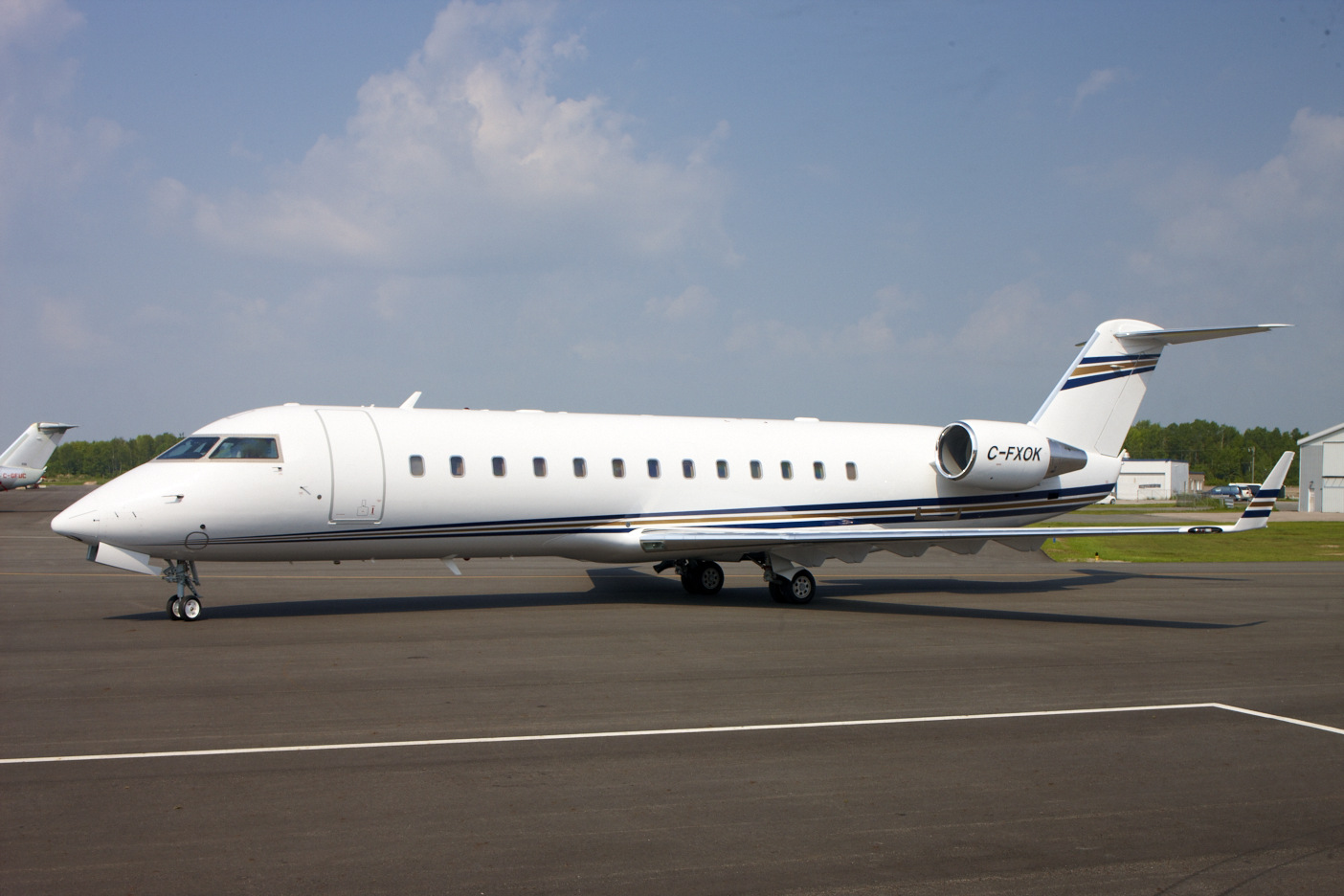
Charles de Gaulle earns consideration on specific itineraries. Its runways are among the longest in France, comfortably handling heavy and ultra-long-range aircraft on demanding routings. That capability matters on fully fuelled departures to distant destinations, where runway length becomes a genuine constraint rather than a technicality.
It also serves travellers connecting onward to scheduled long-haul services. Private jet charter in Paris rarely defaults to CDG, but dismissing the airport entirely overlooks the itineraries where a commercial hub genuinely fits the plan.
CDG for Long-Haul Connections
General aviation access at Charles de Gaulle is generally restricted to passengers connecting to scheduled flights, with limited time permitted on the ground.
That narrows its usefulness sharply. A short hop such as a private jet charter from London to Paris gains nothing by routing through a commercial hub, and loses the speed that makes the flight worthwhile. The case for CDG holds only when a scheduled onward connection is genuinely part of the itinerary.
Comparing the Passenger Experience
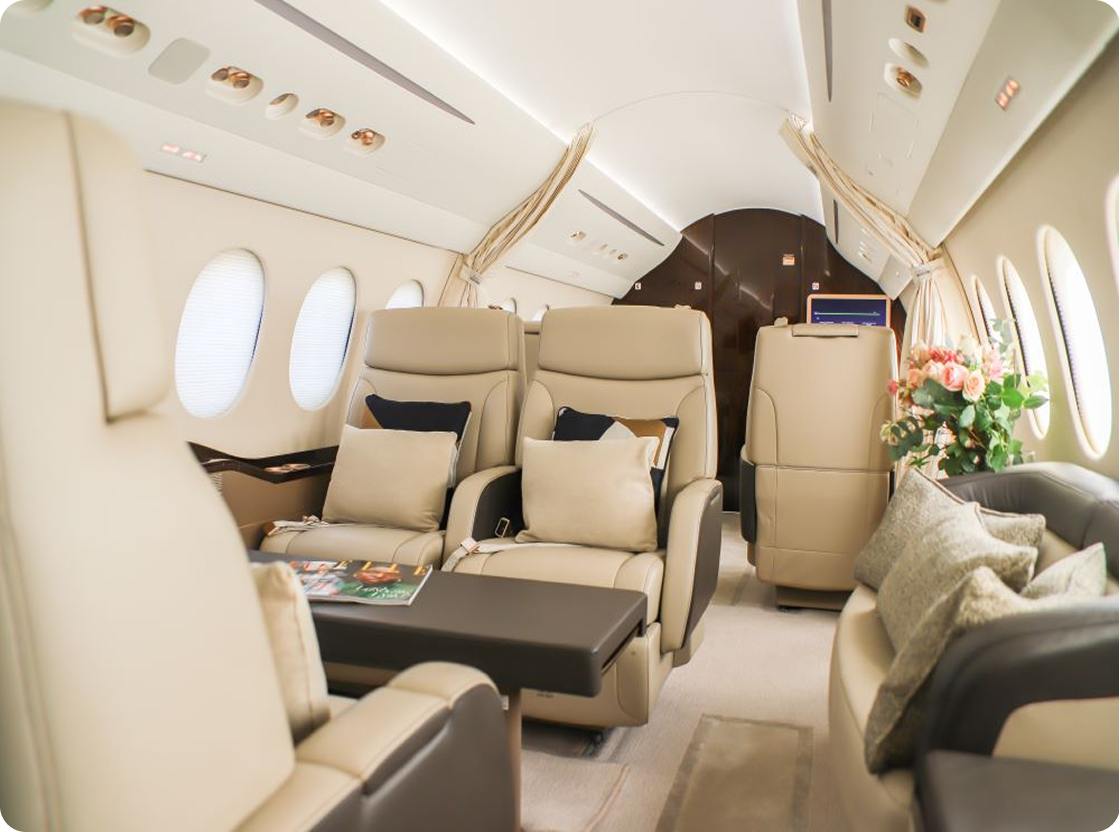
Side by side, the difference is one of design intent. Le Bourget offers streamlined facilities and dedicated VIP handling built for private travel, where arrival and departure are measured in minutes rather than hours.
Among the private jet airports in Paris, the experience at CDG is more restrained, folded into a much larger commercial operation. Both provide reasonable access to the centre, but they do not feel alike. The gap shows most clearly in the minutes between the car and the cabin.
How ACASS Selects Airports
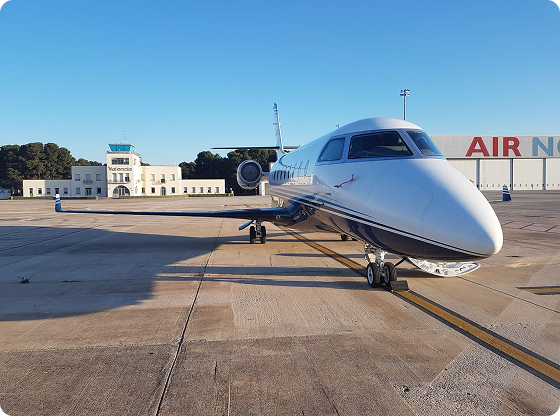
ACASS charter specialists match aircraft type and airport to what each flight actually requires rather than defaulting to a single answer. Passenger numbers, routing, runway performance, and onward connections all feed that decision.
The approach is consultative rather than transactional, which is the thinking behind charter without compromise. Discussing the itinerary first usually settles the airport question before it becomes a question at all. Nothing about it is assumed before the flight’s specific requirements are properly understood.
Slot Access and Scheduling
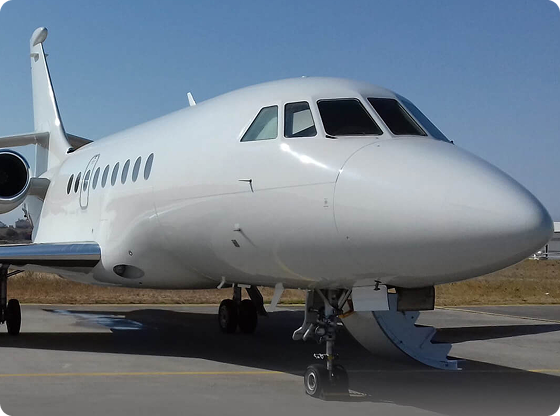
Scheduling is where Le Bourget Airport separates itself most clearly. Private and business flights are not subject to the slot coordination governing movements at a major commercial hub, which removes an entire layer of planning friction.
For time-sensitive business travel, that matters. Departure times can shift, plans can change late in the day, and the airfield accommodates it. Short-notice changes that would be difficult at a coordinated hub are routine here. This is arguably the clearest operational advantage over CDG.
Aircraft Type and Trip Profile
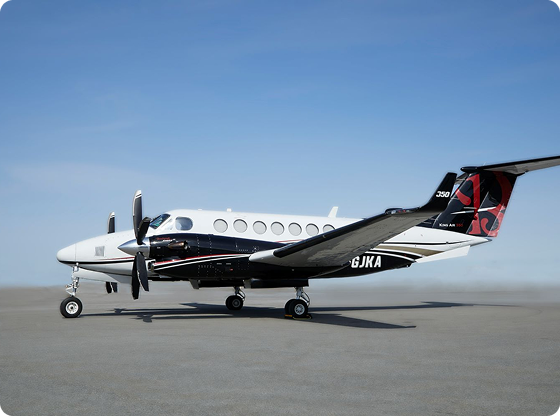
Le Bourget’s three runways span the full range, from shorter lengths suited to light jets and turboprops up to a main runway capable of taking ultra-long-range aircraft fully fuelled. Most categories in the available charter fleet are comfortably accommodated.
Very large or airliner-derived types raise different considerations. Private jet charter in Paris should follow the requirements of the flight itself, passengers, routing, and aircraft, rather than habit. Runway performance and payload interact, which makes the aircraft and the airport a single decision.
Other Paris Airport Options
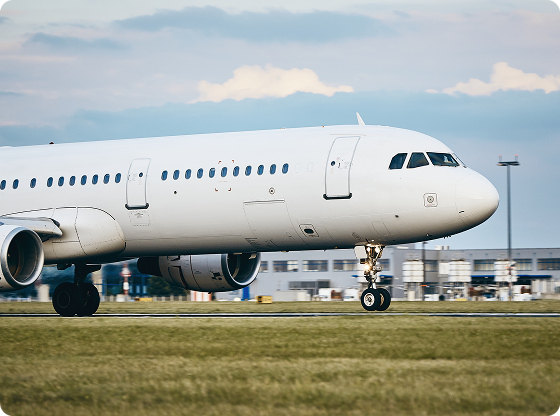
Orly completes the picture. It handles a modest share of Paris private aviation traffic and functions largely as overflow when Le Bourget parking fills, sitting south of the city rather than northeast.
Neither Orly nor CDG matches Le Bourget’s dedicated infrastructure. For most Paris private jet charter flights, Le Bourget remains the default, with the alternatives reserved for specific constraints rather than routine use. Slot coordination and handling at Orly sit a step below what Le Bourget offers as standard.
Conclusion
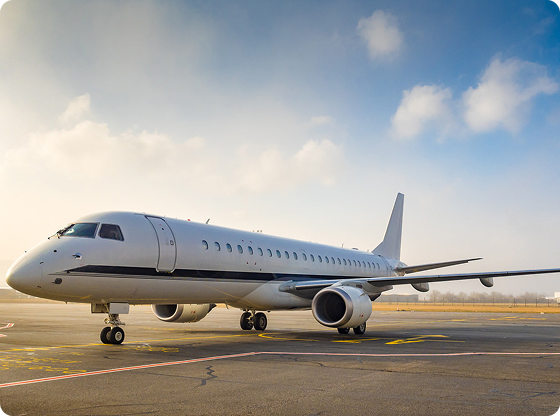
For most private jet charter in Paris, Le Bourget remains the clear answer on speed, privacy, and purpose-built infrastructure. Charles de Gaulle holds a legitimate but narrower role, suited to long-haul arrivals, larger aircraft, and itineraries built around a scheduled onward connection. The right choice follows the flight rather than the reputation of the airport. Passenger numbers, aircraft category, and connection requirements settle the question in most cases, and they settle it quickly.
Frequently Asked Questions
-
Yes. Charters operating larger, higher-capacity aircraft typically cannot use Le Bourget and must work from Charles de Gaulle instead.
This affects a narrow band of traffic: airliner-derived aircraft carrying large delegations, sports squads, or sizeable corporate groups. For the overwhelming majority of business jet flights, which sit comfortably within standard capacity, the restriction never arises and Le Bourget remains available throughout the year. Orly can absorb some of that larger traffic depending on aircraft type and handling arrangements.
-
It does, though on a smaller scale. Dedicated handling and VIP services exist at Charles de Gaulle, and private aviation passengers are not simply processed through the main commercial terminals alongside everyone else.
The comparison is one of depth rather than presence. Le Bourget’s ecosystem was built entirely around private travel, while CDG’s provision sits inside a vast scheduled operation. Travellers weighing amenities specifically will notice that difference on arrival. Permitted ground time at CDG is also more constrained.
-
Planning does, and sometimes the airport with it. High-demand periods compress availability across parking, handling, and preferred arrival times, and the Paris Air Show reshapes Le Bourget entirely every second year.
Orly absorbs some of that overflow when Le Bourget reaches capacity. The practical answer is lead time. Slot availability and handling capacity both tighten well before the dates themselves. Booking further ahead during major events protects both the aircraft you want and the airport you would rather use.
-
Arrivals into France clear border and customs formalities as required, but at Le Bourget the process happens within the FBO rather than in public halls, with facilities available on the field around the clock.
Documentation requirements depend on nationality and point of origin. The practical difference is discretion and pace. Formalities are completed in a private environment rather than in a commercial terminal queue. For private jet charter in Paris, that difference is much of the appeal.
-
Streamlined handling and dedicated VIP service are standard across Le Bourget’s FBOs, which is a large part of why the airport works the way it does. Private lounges, discreet arrival routes, and direct ramp access are the norm rather than additions.
What each FBO provides varies in detail, and requirements such as catering or ground transport are confirmed when the flight is arranged rather than assumed. Raising them early helps, since some services need arranging in advance.
-
ACASS charter specialists start with the flight itself: aircraft type, passenger numbers, routing, and whether a scheduled onward connection forms part of the plan. Those inputs usually make the airport obvious.
The approach is consultative rather than habitual. Rather than routing every Paris trip the same way, the specialist matches the airport to what the itinerary genuinely requires, then coordinates handling and ground arrangements accordingly. Where an itinerary is unusual, the reasoning behind the recommendation is explained rather than left implicit.
