
Our
Locations
-
World HQ
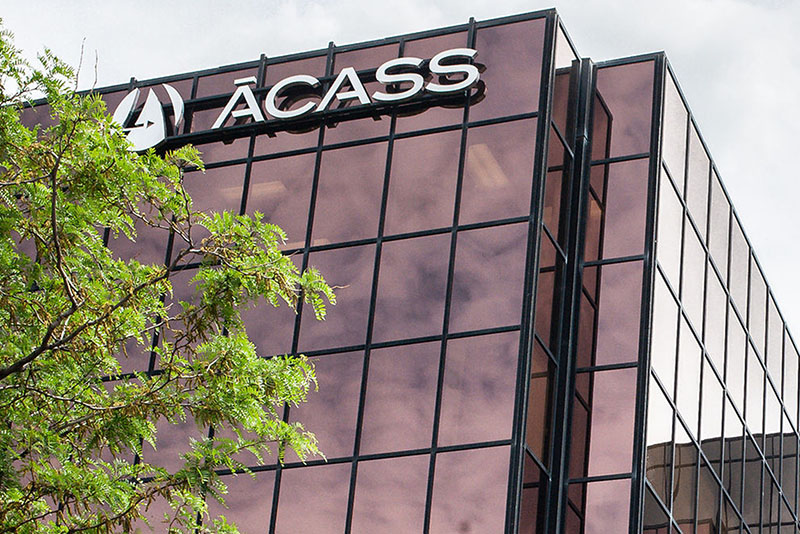
6700 Côte de Liesse, suite 206,
+1 514 636-1099
Montréal, Canada,
H4T 2B5 -
Ireland

Suite 3230, Building 3000, Westpark Business Campus, Shannon, Clare, V14 AN29
+353 61 475 802 -
San Marino

World Trade Center, Via Consiglio dei Sessanta,
+39 0549 942-551
99, 47891 Dogana, San Marino


Aircraft Dry Lease Solutions
ACASS advises operators, owners, and corporate flight departments on aircraft dry lease structures — supporting compliant arrangements whether the aircraft is placed on the lessee’s own AOC or requires management operator support across multiple jurisdictions. Own Your Journey®.
Connect With a Specialist
What Is a Dry Lease
A dry lease is an aircraft leasing arrangement in which the lessor provides the aircraft only — without crew, maintenance, or insurance. Operational control transfers entirely to the lessee, who is responsible for sourcing crew, managing airworthiness, and ensuring regulatory compliance throughout the lease term. ACASS advises on structuring compliant dry lease arrangements across jurisdictions.

Dry Lease Versus Wet Lease
The fundamental distinction between a dry lease and a wet lease is which party holds operational control. Under a dry lease, the lessee assumes full responsibility for crew, maintenance, and insurance. Under a wet lease, the lessor retains operational control and provides crew. Regulatory obligations and liability allocation differ significantly between the two models.
How Dry Leasing Works
In a dry lease arrangement, the lessee takes possession of the aircraft and places it under their own Air Operator Certificate, assuming full operational control. The lessor provides the aircraft against agreed terms covering duration, redelivery conditions, maintenance reserves, and insurance requirements. ACASS supports both parties in structuring these arrangements across multiple regulatory jurisdictions.
AOC Placement and Registry
-
Lessee AOC Placement
Where the lessee holds their own Air Operator Certificate, the aircraft is placed directly under that authority upon delivery. The lessee assumes full operational and regulatory responsibility from the commencement of the lease term. ACASS advises lessees on the practical and compliance implications of AOC placement before any dry lease agreement is executed.
-
Management Operator Support
Where the lessee requires operational support during the lease, ACASS holds active Air Operator Certificates in Canada, Ireland, and San Marino. Aircraft Management services provide crew oversight, airworthiness management, and ongoing compliance support throughout the lease duration. The appropriate structure depends on the lessee’s regulatory position, operational profile, and jurisdiction.
-
Multi-Jurisdiction Considerations
Aircraft dry lease arrangements that cross international borders introduce additional regulatory, insurance, and registry considerations. ACASS's experience operating across 56 countries provides lessors and lessees with the jurisdictional intelligence needed to structure compliant arrangements. Selecting the correct registry and AOC jurisdiction from the outset significantly reduces operational and compliance risk throughout the lease term.

Lessee and Lessor Responsibilities
The lessee accepts full operational control — independently sourcing crew, managing airworthiness, maintaining insurance, and ensuring regulatory compliance throughout the term. The lessor’s obligation is to deliver the aircraft in agreed airworthy condition and disclose all relevant operational information. Maintenance reserve contributions and redelivery standards are subject to negotiation and require specialist aviation input.
ACASS as Dry Lease Advisor
ACASS brings more than 30 years of business aviation experience to dry lease advisory — combining the perspective of an active AOC operator with the transaction expertise of an IADA Accredited Dealer. With active operations across 56 countries and more than $2B+ in aircraft transactions overseen, ACASS advises across multiple jurisdictions and aircraft categories.

Safety & Certification
Aircraft managed by ACASS operate within a rigorously audited safety framework. IS-BAO Stage 3, awarded in 2017, represents the highest stage of IS-BAO certification achieved by ACASS. ARGUS Gold certification has been maintained continuously since 2013 through independent third-party auditing. Both credentials provide lessors and lessees with independently verified operational assurance throughout any ACASS-supported engagement.
Frequently Asked Questions
-
A dry lease aircraft arrangement is one in which the lessor provides the aircraft without crew, maintenance, or insurance. Operational control transfers entirely to the lessee, who sources crew independently, manages airworthiness, maintains insurance, and complies with all applicable aviation regulations throughout the lease term. Dry leasing is a structured alternative to outright ownership, providing fleet access without full capital commitment.
-
The primary distinction lies in who holds operational control and who provides crew. In a dry lease, the lessee assumes full operational responsibility — independently sourcing crew and managing all airworthiness and compliance obligations. In a wet lease, the lessor retains operational control and provides crew as part of the arrangement. Regulatory obligations, insurance allocation, and liability exposure differ significantly between the two structures.
-
An aircraft dry lease is structured individually against the specific aircraft, operational profile, and regulatory context of each engagement. Relevant factors include aircraft age and condition, agreed lease duration, maintenance reserve obligations, insurance requirements, redelivery conditions, AOC considerations, and applicable jurisdiction. No standard published terms apply to these arrangements. Connect with an ACASS specialist to discuss the structure applicable to your situation.
-
Yes. ACASS holds active Air Operator Certificates in Canada, Ireland, and San Marino. Where a lessee requires operational and regulatory support during the lease term, ACASS’s Aircraft Management service provides crew oversight, airworthiness management, and compliance support throughout the lease duration. The appropriate structure depends on the lessee’s own regulatory position and operational requirements. Connect with an ACASS specialist to discuss the arrangement applicable to your situation.
-
An aircraft dry lease agreement typically covers the agreed lease term and redelivery date, aircraft condition at delivery and redelivery, maintenance reserve obligations, insurance requirements, operational control responsibilities, permitted aircraft uses, and early termination conditions. Because these agreements carry significant regulatory and liability implications, specialist input — including aviation legal counsel and technical advisors — is recommended before any agreement is signed. ACASS supports clients at every stage.
ACASS. Own Your Journey®
