
Our
Locations
-
World HQ
6700 Côte de Liesse, suite 206,
+1 514 636-1099
Montréal, Canada,
H4T 2B5 -
Ireland

Suite 3230, Building 3000, Westpark Business Campus, Shannon, Clare, V14 AN29
+353 61 475 802 -
San Marino

World Trade Center, Via Consiglio dei Sessanta,
+39 0549 942-551
99, 47891 Dogana, San Marino


Broker or Consultant: Know the Difference
When researching an aircraft broker vs. aviation consultant, most buyers and sellers begin with broker vocabulary — because that is the language the industry surface-level presents. The real question, however, is whether a broker relationship is appropriate at all for a transaction of this complexity. With 30+ years of advisory experience and $2B+ in completed transactions across 56 countries, the distinction matters more than most realize.
What an Aircraft Broker Does
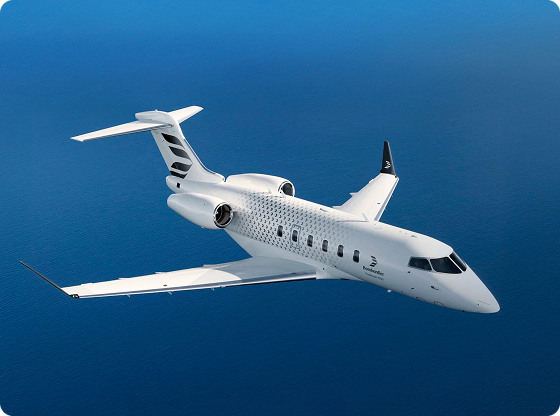
An aircraft broker connects a buyer and a seller, earns a commission on the transaction, and disengages at closing. The role is, by design, transactional: it begins when a deal is identified and ends when it is complete. Brokers typically represent one side of a transaction, most often the seller, though buyer’s broker arrangements exist. Crucially, no mandatory licensing, certification, or regulatory oversight governs aircraft sales brokers in most jurisdictions. Market knowledge and network access are the broker’s primary value, and that value expires the moment the contract is signed.
What an Aviation Consultant Does
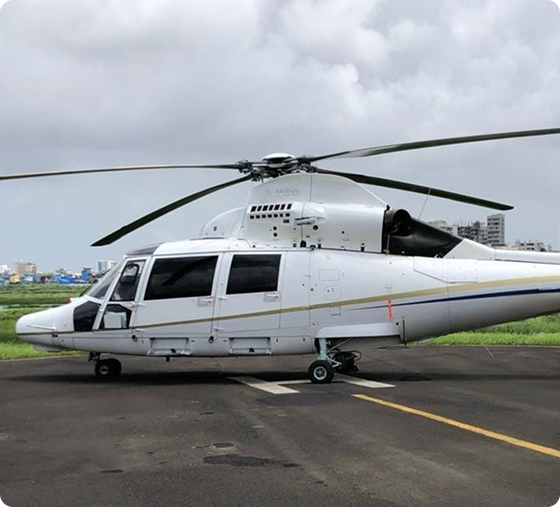
An aviation consultant’s mandate begins well before any aircraft is identified and extends far beyond closing. The consultant represents the client’s interests exclusively, without compensation tied to completing any specific transaction. This structural independence allows an aviation consultant to advise a client to walk away from a deal if the aircraft, the terms, or the timing are wrong. In-house expertise, including technical teams, contracts specialists, and regulatory knowledge, ensures that flight profile analysis, aircraft type selection, transaction structuring, and Entry Into Service planning are all handled under one accountable roof.

Key Differences: Scope and Accountability
The aircraft broker vs. consultant distinction comes down to whose interests are structurally protected throughout the process. A broker is typically paid by the seller; a consultant is paid by the client. That compensation dynamic shapes every recommendation made. A broker’s incentive is to close a transaction; a consultant’s incentive is to find the right aircraft or recommend against the wrong one. Post-transaction accountability is equally divergent: a broker’s role ends at closing, while a consultant remains engaged through delivery, Entry Into Service, and the early stages of ownership operations.
The Role of IADA Accreditation
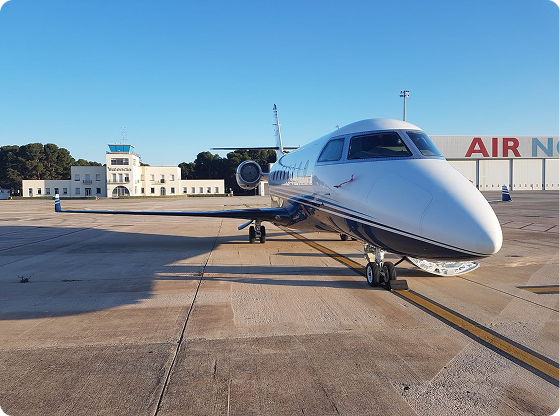
IADA, the International Aircraft Dealers Association, sets the benchmark for ethical practices, professional conduct, and transaction integrity in business aircraft sales. IADA accreditation is not automatically granted: firms must demonstrate financial stability, documented market expertise, and adherence to professional standards that the broader brokerage market is not required to meet. For buyers and sellers, engaging an IADA Accredited Dealer provides a meaningful layer of accountability. Only a fraction of firms active in aircraft transactions hold this designation, making it the most verifiable indicator available when evaluating an aviation consultant or dealer.
When a Broker Is the Right Choice
A broker serves buyers and sellers effectively when the transaction is relatively straightforward and the client brings existing aviation experience to the table. Established aircraft owners who know precisely what they want, understand current market values, and can independently assess aircraft condition may need transaction facilitation rather than full advisory services. Single-acquisition scenarios with a defined aircraft type, no cross-border regulatory complexity, and a client capable of independently verifying aircraft condition may be broker-appropriate. Simplicity and familiarity favor the broker; complexity, first-time ownership, and post-transaction needs favor the consultant.

Why Transaction Complexity Favors a Consultant
The more complex the transaction, the less a broker can structurally protect the client. International registry transfers, emerging-market deliveries, cross-border tax considerations, and multi-jurisdiction operational approvals require in-house technical capability that transactional intermediaries do not provide. First-time buyers face the greatest exposure: they cannot independently verify aircraft condition, regulatory history, or market value without expert representation. An aviation consultant brings technical teams, legal coordination, pre-buy inspection oversight, and post-acquisition planning that operates far beyond the scope of a standard broker engagement.
How the Unregulated Broker Market Creates Risk
Aircraft brokerage is entirely unregulated in most markets. No licensing body, no mandatory certification, and no federal oversight governs aircraft sales brokers. Anyone can represent themselves as an aircraft broker without demonstrated expertise or professional accountability. This creates meaningful risk for buyers and sellers who rely on a broker’s representation of market value and aircraft condition without independent verification. The absence of regulation makes verifiable accreditation, such as IADA membership, the client’s primary protection mechanism. Engaging an unaccredited intermediary on a multi-million-dollar business aircraft transaction transfers all verification risk to the client.
How ACASS Approaches Aircraft Transactions
ACASS operates as an aviation consultant — not a broker — across the full aircraft transaction lifecycle. As an IADA Accredited Dealer since 2019, with IS-BAO Stage 3 (2017) certification and ARGUS Gold since 2013, ACASS brings verifiable credentials that most transaction intermediaries cannot match. In-house OEM-experienced specialists, a dedicated contracts team, and Entry Into Service capability ensure the relationship extends well beyond closing. With access to off-market inventory across 56 countries and $2B+ in completed transactions over 30+ years, ACASS provides aircraft sales advisory grounded in depth rather than transaction volume.
The Importance of Post-Transaction Support
Closing a transaction is the beginning of operational responsibility, not the end of advisory engagement. Bringing a newly acquired business aircraft into service involves regulatory approvals, crew qualification, CAA filings, and insurance compliance, all of which require expert coordination. A broker who closed the sale holds no structural obligation or capability to support this phase. An aviation consultant who managed the acquisition already knows the aircraft, the client’s operational flight requirements, and the applicable regulatory environment. Entry Into Service support is among the most underestimated benefits of the consultative model.
Choosing the Right Partner for Your Transaction
The right question is not which broker to engage but whether a broker is the appropriate relationship for this transaction. First-time buyers, cross-border acquisitions, complex regulatory environments, and full ownership transitions point clearly toward the consultative model. Experienced operators conducting a straightforward same-market transaction may find broker-level engagement sufficient. The scale of a transaction alone does not determine the answer. Complexity, post-acquisition operational needs, and the client’s independent capacity to verify aircraft condition and market value are the factors that matter most at the point of engagement.

What to Look for in an Aviation Consultant
Evaluate any aviation consultant against concrete, verifiable criteria. In-house expertise versus outsourced networks is the first question: does the firm employ aviation professionals directly, or coordinate third parties? IADA accreditation is the most reliable indicator of transaction professionalism and ethical standards. Independent representation — compensation aligned with the client’s outcome rather than with closing — is non-negotiable for a genuine consultative relationship. Documented experience in complex jurisdictions and access to off-market inventory through global relationships are further differentiators. Review aircraft available through ACASS as a reference point for genuine global reach.

The Distinction That Defines Your Transaction
The aircraft broker vs. aviation consultant distinction is not a matter of terminology. It determines whose interests are protected, what expertise is brought to bear, and how far the advisory relationship extends. Brokers serve a role; consultants serve the client across the full ownership journey, from acquisition through operation. ACASS is the consultative choice: 30+ years, $2B+ in transactions, IADA Accredited Dealer since 2019, and operations spanning 56 countries. Connect with a Specialist to discuss your aircraft transaction with an ACASS aircraft sales advisory team. ACASS. Own Your Journey®
Frequently Asked Questions
-
A jet broker connects a buyer and seller, earns a commission at closing, and ends engagement there. An aviation consultant represents the client’s interests across the full transaction lifecycle, from flight requirements analysis through post-acquisition support and Entry Into Service planning. The distinction is structural: a broker’s incentive is to complete the deal, while a consultant’s mandate is to find the right aircraft or advise against the wrong one. This difference in accountability determines whose interests are protected at every stage of the process.
-
No regulatory requirement mandates the use of a broker to sell a business aircraft. Experienced owners with established market relationships sometimes engage directly. However, the documentation requirements, pre-buy negotiation complexity, and regulatory compliance involved in transactions of this scale make professional advisory support the standard approach. The more relevant question is whether a broker or an aviation consultant better serves your interests. An IADA Accredited Dealer provides the broadest protection and post-transaction continuity, ensuring the relationship extends beyond the closing.
-
ACASS operates as an aviation consultant and IADA Accredited Dealer, not as a traditional aircraft broker. Every ACASS engagement includes in-house OEM-experienced specialists, dedicated contracts and technical teams, and Entry Into Service capability. The advisory relationship does not end at closing: ACASS consultants remain engaged through aircraft delivery, operational setup, and beyond. Thirty-plus years of advisory experience, $2B+ in completed transactions, and operations across 56 countries represent a depth of capability that transactional brokerage cannot replicate.
-
IADA, the International Aircraft Dealers Association, sets the industry standard for ethical practices, professional conduct, and transaction integrity in business aircraft sales. Accreditation is not automatically granted: firms must demonstrate financial stability, documented market expertise, and adherence to professional standards that the broader, unregulated brokerage market does not require. For buyers and sellers, engaging an IADA Accredited Dealer provides a layer of accountability unavailable elsewhere in the market. ACASS has held IADA Accredited Dealer status since 2019.
-
An aviation consultant provides advisory services across the full spectrum of business aircraft ownership, from initial acquisition through ongoing management and eventual sale. Core responsibilities include flight profile analysis, aircraft type selection, technical due diligence, pre-buy inspection oversight, transaction structuring, and post-acquisition support. Unlike a broker, a consultant’s mandate is not bounded by a single transaction: the advisory relationship is ongoing and independent of any specific deal outcome. In complex or cross-border transactions, the consultant coordinates legal, technical, and regulatory dimensions simultaneously on the client’s behalf.
-
ACASS provides consultative aircraft sales and acquisitions through in-house OEM-experienced specialists, global off-market inventory access across 56 countries, and dedicated contracts and technical teams. Each engagement is structured around the client’s full ownership journey, including pre-transaction market intelligence, negotiation representation, technical coordination, and Entry Into Service planning. This consultative approach reflects 30+ years of advisory experience and $2B+ in completed transactions. Connect with a Specialist to discuss your aircraft transaction with an ACASS aviation consultant. ACASS. Own Your Journey®
