
Our
Locations
-
World HQ
6700 Côte de Liesse, suite 206,
+1 514 636-1099
Montréal, Canada,
H4T 2B5 -
Ireland

Suite 3230, Building 3000, Westpark Business Campus, Shannon, Clare, V14 AN29
+353 61 475 802 -
San Marino

World Trade Center, Via Consiglio dei Sessanta,
+39 0549 942-551
99, 47891 Dogana, San Marino


Aircraft Operating Lease: What Business Aviation Owners Need to Know
An aircraft operating lease transfers operational possession of an aircraft to the lessee for a defined term while the lessor retains legal title throughout. For business aviation owners, that structure has direct implications for financial reporting, capital allocation, and operational flexibility. ACASS supports operators across the full operating lease lifecycle — from registry and crew provision to ongoing airworthiness oversight. Own Your Journey®.
What Is an Aircraft Operating Lease?
An aircraft operating lease is a contractual arrangement in which the lessor retains legal title while transferring operational possession to the lessee for a defined period. The lessee operates the aircraft and is responsible for obligations defined in the lease agreement. The lessee does not own the asset and does not carry it as an owned asset on their balance sheet under standard accounting frameworks. The specific balance-sheet treatment should be confirmed with the reader’s own accountant and tax advisor.
Operating Lease vs Finance Lease: Key Differences
An operating lease transfers possession without ownership risk. At lease end, the aircraft reverts to the lessor. A finance lease, sometimes called a capital lease, is structured more like a financing arrangement where the lessee assumes the economic risks and rewards of ownership and typically carries the aircraft on their balance sheet. Under IFRS 16 and ASC 842, lease classification determines financial reporting treatment. The specific implications for any individual arrangement should be confirmed with qualified accountants before execution.
How an Aircraft Operating Lease Is Structured
An operating lease agreement defines the parties, the aircraft by registration and serial number, the lease term, permitted use, return conditions, and maintenance obligations. Lease terms in business aviation typically range from short-term arrangements to multi-year engagements, depending on aircraft category and operational requirements.
Return conditions — the standard to which the aircraft must be returned at lease end — are a material negotiating term. Maintenance reserve provisions may also be required as a condition of the lessor’s asset protection.

Maintenance Responsibilities Under an Operating Lease
In business aviation dry lease structures, the lessee typically assumes CAMO-level airworthiness management and confirms maintenance compliance throughout the term. Scheduled events, unscheduled rectifications, and airworthiness directives all sit with the lessee’s CAMO or its appointed service provider. Insurance is typically arranged by the lessee to the lessor’s minimum requirements. Policies must be confirmed before the aircraft departs. Maintenance responsibility and insurance terms are both negotiated elements of the lease agreement, not post-signing arrangements.
Registry Selection and Its Operational Consequences
Registry selection determines which civil aviation authority oversees the aircraft’s airworthiness and which regulations govern its operations. This is a decision with durable consequences, not a clerical step. For lessees planning European operations under EASA oversight, the Irish EJ Registry is a confirmed registration pathway. ACASS facilitates Irish EJ Registry access through its Irish AOC, secured in 2020. Registry, maintenance oversight, and insurance structure interact closely and produce better outcomes when scoped together before the lease is signed.

Aircraft Operating Lease vs Outright Ownership
An aircraft operating lease allows a business aviation owner to access a specific aircraft for a defined term without committing the capital required for outright purchase and without carrying the residual value risk of ownership. Ownership provides permanent asset control and maximum long-term operational flexibility, but concentrates residual value risk in the owner’s hands. For businesses evaluating business aircraft financing options, the operating lease is one structure in a spectrum that includes outright purchase, finance lease, and fractional ownership. The right fit depends on operational requirements and financial reporting obligations.

Understanding the Dry Lease Structure
In business aviation, operating leases are typically structured as dry leases. The lessor provides the aircraft only. The lessee assumes operational control, crew provision, airworthiness management, and insurance.
This structure carries a direct regulatory consequence: the lessee who intends to operate commercially must hold an appropriate Air Operator Certificate in the relevant jurisdiction. Lessees who do not hold an AOC must confirm their regulatory requirements with an aviation advisor before executing any dry lease arrangement. These requirements cannot be addressed after possession begins.
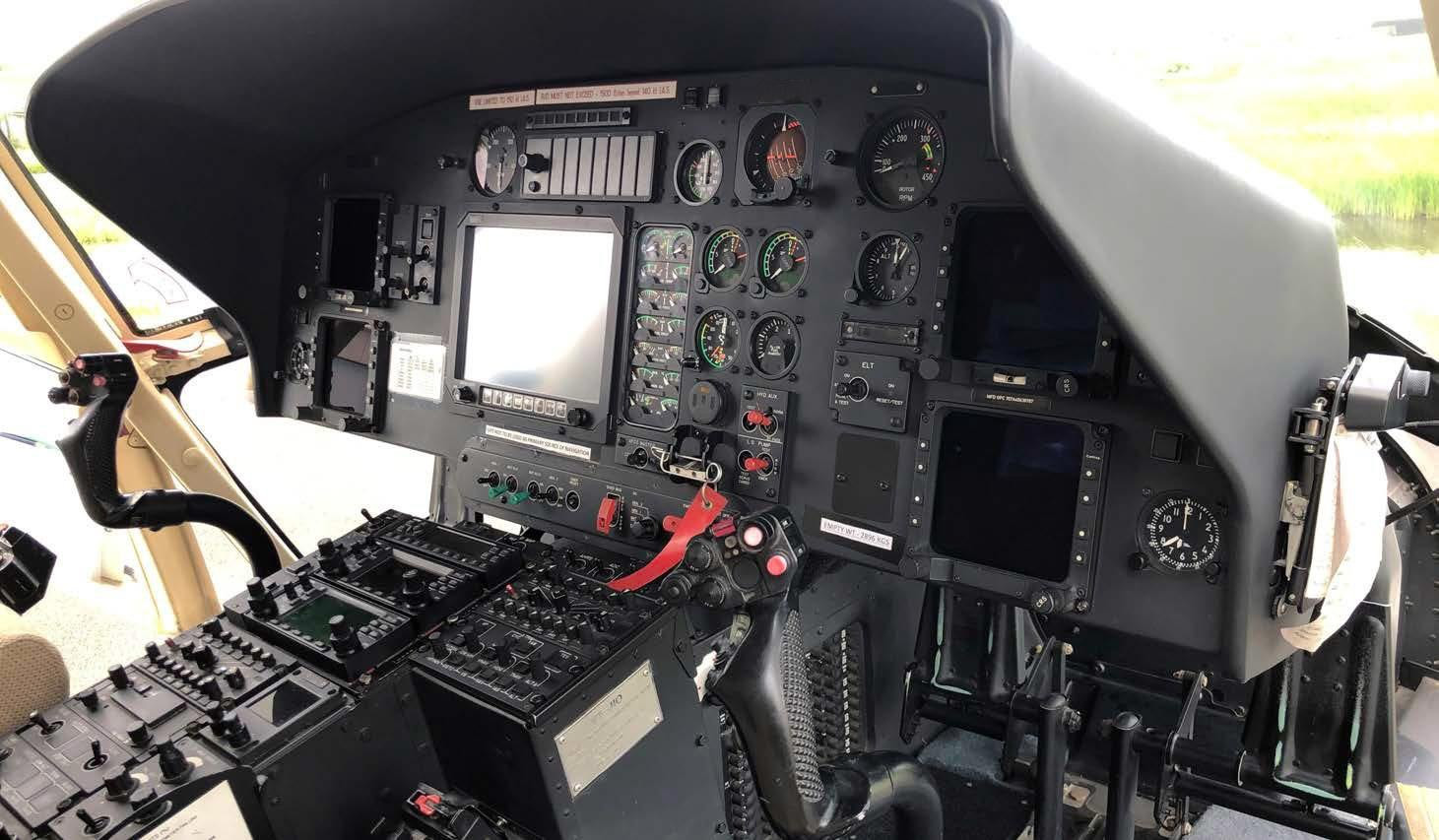
Crew Provision in a Dry Lease Operating Lease
A dry lease operating lease requires the lessee to provide type-rated flight crew for every commercial operation under the lease. Sourcing type-rated crew for a new aircraft type is not a last-minute exercise. For lessees without existing crew infrastructure, this is a decision that must be made early in the lease evaluation, not after the aircraft arrives.
ACASS’s Flight Crew Staffing service addresses type-rated crew provision for dry lease operating structures across multiple aircraft types and jurisdictions, including those supported by its three AOC registrations.

Airworthiness Management and Technical Oversight
An operating lessee in a dry lease structure must maintain CAMO-level airworthiness management throughout the lease term. Airworthiness directives, scheduled maintenance events, and unscheduled rectifications all require active oversight. For lessees who do not have existing CAMO capability, this infrastructure must be confirmed before possession begins.
ACASS’s Technical Consultancy and aircraft management capabilities support CAMO oversight for dry lease operating arrangements. IS-BAO Stage 3 certification, awarded in 2017, and ARGUS Gold certification, held since 2013, apply across all ACASS-operated arrangements.
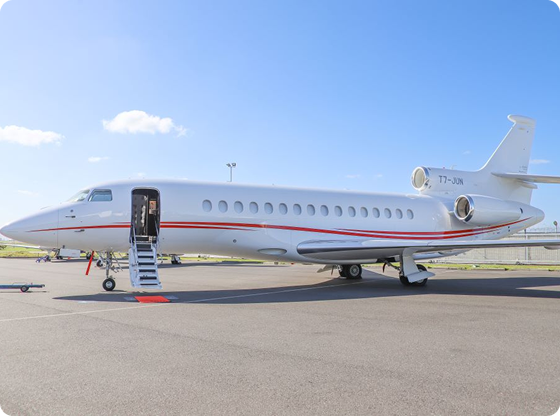
Multi-Jurisdiction Considerations for Operating Lessees
Business aviation operating lessees operating across multiple jurisdictions face overlapping regulatory requirements from different civil aviation authorities. ACASS holds AOCs in Canada since 2004, Ireland since 2020, and San Marino since 2015. That enables ACASS to support lessees structuring operating leases for operations under multiple civil aviation authorities without changing advisory partner mid-engagement. For clients with transatlantic or intra-European requirements, the Irish EJ Registry and Irish AOC pathway provides a direct EASA-compliant operational framework within a single advisory relationship.

Return Conditions and Lease End Planning
Return conditions define the standard to which the lessee must deliver the aircraft back to the lessor at lease end. They are a material negotiating term in every operating lease. Lessees may be required to restore the aircraft to its original interior configuration, complete scheduled maintenance events that fall within a defined pre-return window, or fund maintenance reserve accounts covering events accrued during the term. Understanding and negotiating return conditions before executing the lease is essential, as they directly affect operational cost and planning obligations throughout the lease term.

How ACASS Supports Aircraft Operating Lease Structuring
For a business aviation owner evaluating an aircraft operating lease, the financial structure is only one dimension of the decision. Registry selection, crew provision, airworthiness management, and ongoing operational oversight all require confirmed infrastructure before the lease begins. ACASS operates across three AOC jurisdictions with more than 30 years of business aviation experience and direct advisory capability across the full operating lease lifecycle. Its consultative approach addresses registry, crew, CAMO oversight, and technical support within a single relationship — from lease evaluation through handover and return.
Connect With a Specialist to discuss your aircraft operating lease requirements. Own Your Journey®.
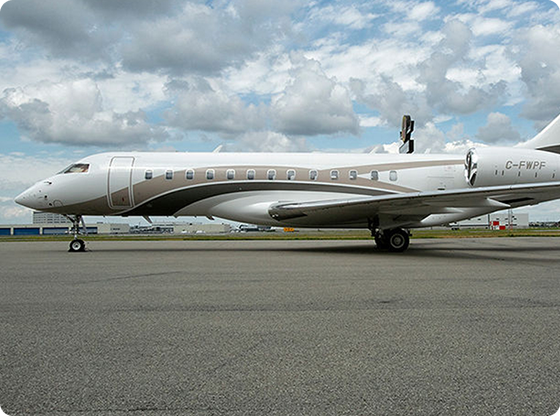
Conclusion
An aircraft operating lease provides business aviation access without the capital commitment or residual value risk of outright ownership. It also requires confirmed infrastructure across registry, crew, airworthiness, and insurance before the aircraft can operate a single commercial flight. The right structure depends on operational requirements, financial reporting obligations, and the regulatory framework of the jurisdictions involved. All of that should be evaluated with qualified advisors before executing any lease agreement. ACASS provides consultative support across every stage of the operating lease lifecycle. Own Your Journey®.
Frequently Asked Questions
-
An aircraft operating lease transfers operational possession of an aircraft to the lessee for a defined term while the lessor retains legal title throughout. The lessee operates the aircraft and is responsible for defined obligations under the lease agreement but does not own the asset. At lease end, the aircraft reverts to the lessor under the return conditions defined in the agreement. The structure gives business aviation owners access to a specific aircraft for a defined period without the capital commitment of outright purchase.
-
The lessor retains legal title to the aircraft throughout the operating lease term. The lessee holds operational possession — the right to use and operate the aircraft — but does not appear as the registered owner in public records. This separation of title and possession is the structural definition of an operating lease. It can also provide the lessee with a degree of operational privacy that direct ownership does not. The specific registry treatment depends on the jurisdiction and the civil aviation authority governing the aircraft’s registration.
-
An operating lease transfers possession without ownership risk. At lease end, the aircraft reverts to the lessor. A finance lease is structured more like a financing arrangement, where the lessee assumes the economic risks and rewards of ownership and typically carries the aircraft on their balance sheet as both an asset and a liability. Under IFRS 16 and ASC 842, lease classification determines financial reporting treatment. The balance-sheet implications of any individual aircraft lease should be confirmed with the lessee’s own accountant before execution.
-
At lease end, the aircraft must be returned to the lessor in the condition specified in the return conditions clause of the agreement. Lessees may be required to restore the aircraft to its original interior configuration, complete scheduled maintenance events falling within a defined pre-return window, or fund maintenance reserve accounts covering events accrued during the lease term. Return conditions are a material negotiating point in every operating lease. Lessees should confirm and negotiate these terms in detail before executing any lease agreement.
-
If the operating lease is structured as a dry lease — which is the standard structure in business aviation — the lessee who intends to operate commercially must hold an appropriate Air Operator Certificate in the relevant jurisdiction. Leasing the aircraft does not create or transfer operating authority. The lessee’s AOC governs every commercial flight conducted under the lease. Lessees who do not hold an AOC and intend to operate commercially should confirm their regulatory requirements with an aviation advisor before executing any dry lease operating lease arrangement.
-
ACASS provides consultative support across the full operating lease lifecycle — from registry facilitation and crew provision to CAMO oversight and technical consultancy. With AOCs in Canada, Ireland, and San Marino, ACASS supports lessees operating under multiple civil aviation authorities within a single advisory relationship. IS-BAO Stage 3 certification, awarded in 2017, and ARGUS Gold certification, held since 2013, apply across all ACASS-operated arrangements. Connect With a Specialist to discuss your aircraft operating lease requirements and how ACASS can support your operational structure.
