
Our
Locations
-
World HQ

6700 Côte de Liesse, suite 206,
+1 514 636-1099
Montréal, Canada,
H4T 2B5 -
Ireland

Suite 3230, Building 3000, Westpark Business Campus, Shannon, Clare, V14 AN29
+353 61 475 802 -
San Marino

World Trade Center, Via Consiglio dei Sessanta,
+39 0549 942-551
99, 47891 Dogana, San Marino


Buying a Business Jet in Toronto: A Guide to Acquisition and Management
Buying a business jet in Toronto is a significant decision, but the acquisition itself is only the beginning. How the aircraft is managed after delivery determines the owner's actual experience of ownership. Management planning should begin before the purchase agreement is signed, not after the aircraft is in the hangar. The operational structure, regulatory compliance, crew requirements, and cost profile of ownership are all shaped by decisions made during acquisition.

Toronto Aircraft Acquisition Market
Toronto is one of Canada’s most active markets for business jet transactions. The density of corporate headquarters, private wealth, and cross-border travel demand in the Greater Toronto Area drives this activity. Purchasers range from first-time owners to operators upgrading existing aircraft. The acquisition process in Canada involves Transport Canada registration, a pre-buy inspection, and legal documentation specific to Canadian aviation law. ACASS has facilitated $2B+ in transactions across 56 countries and has operated as an IADA Accredited Dealer since 2019.

Defining Your Flight Requirements First
Before evaluating specific aircraft, prospective owners must define their operational profile: how frequently they fly, to what destinations, with how many passengers, and at what range. These requirements determine aircraft category, size, and capability. Those who select an aircraft without this analysis risk acquiring an asset that does not match their actual usage. This is a costly mismatch that management cannot correct after the fact. Flight analysis should precede model selection.
The Pre-Buy Inspection in Canada
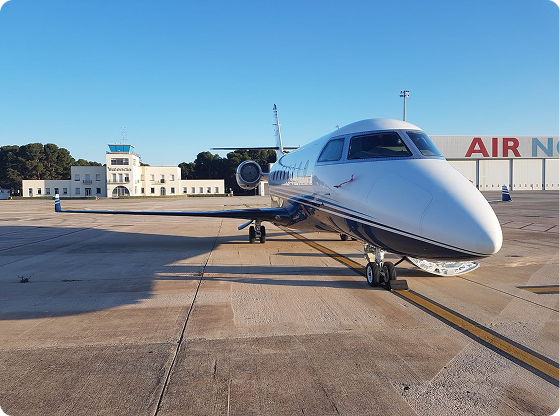
A pre-buy inspection is the technical examination conducted before purchase to verify the aircraft’s airworthiness, maintenance history, and compliance status. In Canada, the inspection should align with Transport Canada standards and the specific type certificate requirements of the aircraft. Buyers working with a consultative adviser rather than a transactional broker benefit from access to in-house technical expertise during this stage. The pre-buy inspection is not optional. It is the purchaser’s only opportunity to assess technical condition before title transfer and funds release.
Ownership Structures in Canada
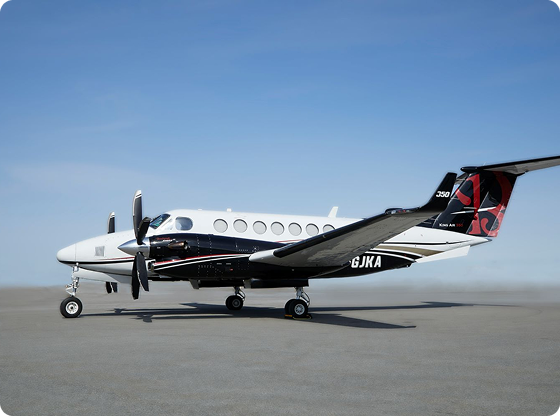
How a business jet is owned in Canada — directly, through a corporate entity, or through a trust structure — affects registration, tax treatment, and management arrangement terms. Canadian registration requires the registered operator to be “Canadian” under Transport Canada’s definition. Prospective owners should engage qualified aviation legal counsel to structure ownership before finalizing the purchase. The management programme is designed around this structure. Ownership decisions made without management input often require restructuring later, creating delays and added legal expense.

Why Management Planning Matters
The decisions made during acquisition — aircraft category, ownership structure, registry, crew requirements — directly shape the management programme required after delivery. Selecting a management partner before purchase allows the provider to advise on aircraft suitability, AOC compatibility, and programme structure. Buyers who address management as part of acquisition planning avoid operational gaps between delivery and the start of managed operations. Management planning deferred until after acquisition introduces risk. The aircraft may arrive without crew, insurance, hangar access, or operational authority.

Entry Into Service After Toronto Acquisition
Entry into service (EIS) covers the regulatory and logistical process of bringing a newly acquired aircraft into operational status under Transport Canada. This includes registration, crew qualification, CAA filings, and initial maintenance status review. For Toronto-based acquisitions involving aircraft imported from other markets, EIS is particularly important. Integrating EIS with a management programme from the outset provides operational continuity. The EIS process addresses the regulatory bridge between acquisition and first flight.

Charter Revenue After Acquisition
Owners who acquire a business jet in Toronto have the option to place the aircraft into managed charter during unused availability. Revenue-generating charter, when coordinated through the management programme, can offset a portion of operational responsibilities. Owner scheduling retains absolute priority. This is an election made as part of the management agreement, not a default programme feature. Charter suitability depends on aircraft category, owner usage patterns, and basing location.

ACASS Acquisition to Management
ACASS is an IADA Accredited Dealer with direct AOC authority in Canada. This covers both the acquisition advisory and the management programme that follows delivery. Buyers who engage ACASS through acquisition benefit from continuity into management without an operational gap. IS-BAO Stage 3 (awarded 2017) and ARGUS Gold certification (held since 2013) apply from the first managed flight. The Canadian AOC, secured in 2004, supports operations across North America and internationally. ACASS operates in 56 countries.

Aircraft Category Selection for Toronto
Toronto purchasers typically consider aircraft ranging from light jets for domestic and transborder travel to heavy and ultra-long-range jets for transatlantic and global operations. The right category depends on route structure, passenger requirements, and hangar availability at CYYZ or CYKZ. An acquisition consultant familiar with the Canadian market and current inventory can narrow the selection efficiently. OEM experience matters. Consultants with manufacturer relationships understand type-specific operating costs, maintenance intervals, and residual value trends that shape long-term ownership economics.
Acquisition Consultants vs. Brokers
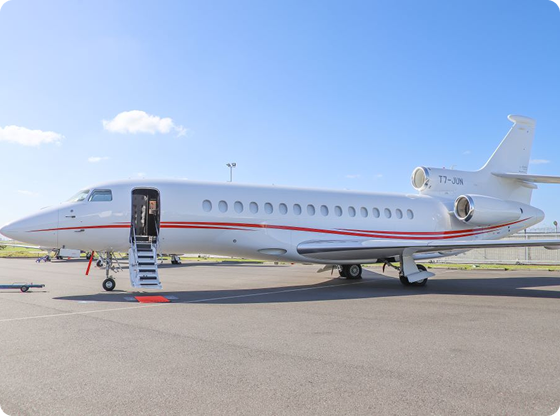
A business jet acquisition involves significant capital and complex documentation. An IADA Accredited Dealer follows a specific closing checklist ensuring due diligence on both sides of the transaction. A consultant brings OEM experience, off-market access, and ongoing advisory accountability. For Toronto purchasers, the distinction between a consultative acquisition partner and a transactional broker is consequential at this transaction scale. The consultant relationship continues beyond closing.

Hangar Planning in Toronto
Hangar availability in the Greater Toronto Area requires advance planning, particularly at CYYZ. Long-term hangar access at Toronto Pearson is competitive and subject to lead times. Toronto Executive Airport (CYKZ) offers an alternative with lower congestion and business aviation facilities for appropriate aircraft categories. Basing decisions affect crew logistics, maintenance proximity, and charter revenue potential. All of these factors must be accounted for in the management programme. Hangar commitments often require signing before aircraft delivery.

Conclusion
Buying a business jet in Toronto requires planning that extends beyond the acquisition itself. This includes ownership structure, Transport Canada registration, entry into service, and an ongoing management programme. Buyers who address management as part of the acquisition process avoid operational gaps and ensure the aircraft performs as intended from day one. The operational readiness of the aircraft depends on decisions made during acquisition. Connect With a Specialist to discuss your acquisition and management requirements.
Frequently Asked Questions
-
The immediate steps after acquiring a business jet in Canada are: confirm Transport Canada registration under the correct ownership structure, initiate entry into service if the aircraft is being newly registered or imported, appoint a management company with a direct Canadian AOC, and establish the programme structure before the aircraft enters service. Management planning that begins at acquisition avoids the operational gaps that arise when it is addressed after delivery.
-
An IADA Accredited Dealer is a member of the International Aircraft Dealers Association who has met verified standards for professional conduct, due diligence, and transaction integrity. IADA Accredited Dealers follow a specific closing checklist for all transactions. This ensures documentation, inspections, and title are complete on both sides. Engaging an IADA Accredited Dealer reduces transaction risk and provides a verified accountability standard.
-
Entry into service (EIS) is the regulatory and logistical process of bringing a newly acquired aircraft into operational status under Transport Canada. This covers registration, crew qualification, CAA filings, and initial airworthiness status review. For aircraft imported into Canada from another registry, EIS includes addressing any transfer of airworthiness documentation and ensuring the aircraft meets Transport Canada type certificate standards before it enters managed service.
-
Business jet ownership in Canada involves a range of operational obligations that vary by aircraft, usage, and management structure. Professional aircraft management consolidates these obligations under a single provider, typically with transparent monthly reporting covering all areas of the programme. A detailed breakdown appropriate to a specific aircraft and operational profile is best discussed directly with an ACASS management specialist.
-
Yes. Toronto Executive Airport (CYKZ, Buttonville) supports business aviation operations and is a practical basing option for owners seeking lower congestion than CYYZ. Hangar access at CYKZ is generally more available than at Toronto Pearson, and the airport supports managed aircraft operations. Aircraft category matters. CYKZ is better suited to light, midsize, and certain super-midsize jets than to heavy or ultra-long-range aircraft requiring longer runway access.
-
Entering a managed charter programme is an election, not a requirement of professional management. Owners who want to offset operational responsibilities through revenue-generating charter can incorporate this into the management agreement. Owners who prefer full privacy and exclusivity operate under a purely private management arrangement. The management programme is structured around the owner’s preference. Charter is one option within it.
