
Our
Locations
-
World HQ

6700 Côte de Liesse, suite 206,
+1 514 636-1099
Montréal, Canada,
H4T 2B5 -
Ireland

Suite 3230, Building 3000, Westpark Business Campus, Shannon, Clare, V14 AN29
+353 61 475 802 -
San Marino

World Trade Center, Via Consiglio dei Sessanta,
+39 0549 942-551
99, 47891 Dogana, San Marino


Empty Leg Flights in Nigeria
Empty leg flights in Nigeria occur when aircraft reposition without passengers along the country’s high-frequency domestic routes, creating regular opportunities for schedule-flexible travelers.
Connect with a Specialist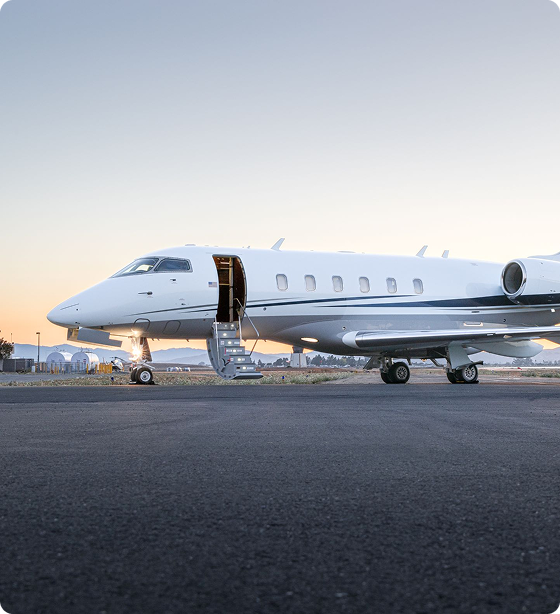
How Nigerian Empty Legs Arise
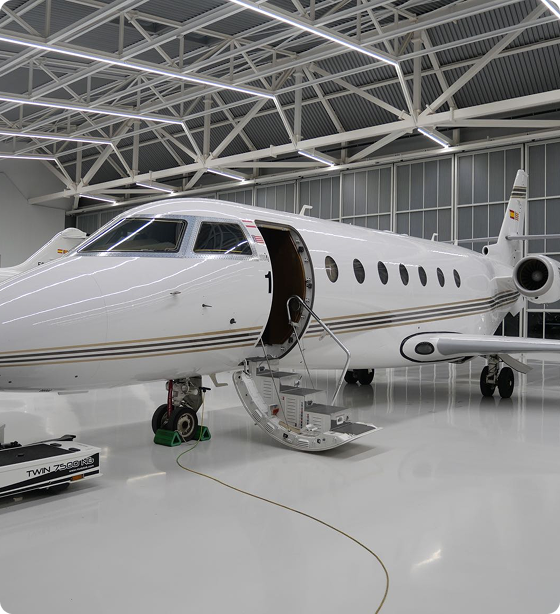
Empty legs occur when an aircraft must reposition to its next assignment or return to base without passengers on board. Nigeria’s frequent Abuja to Lagos shuttle traffic creates regular turn-based repositioning opportunities throughout the week. Aircraft completing oil-sector charters to Port Harcourt often reposition back to Lagos or Abuja empty, and Lagos to Accra charter runs can similarly generate one-directional positioning legs.
The Abuja-Lagos Shuttle Pattern
The Abuja to Lagos corridor’s high charter frequency makes it the most predictable source of Nigerian empty legs. Aircraft completing a one-way charter in either direction frequently need to reposition back to their home base, creating availability on the return leg. This turn-based pattern differs from one-off repositioning legs in that it recurs with some regularity along this specific corridor.
Oil-Sector Repositioning to Port Harcourt
Energy-sector charter activity between Lagos or Abuja and Port Harcourt is a significant source of Nigerian empty legs. Aircraft completing oil and gas executive transport to Port Harcourt facilities often reposition empty on the return leg. This pattern reflects the broader commercial reality of Lagos as a headquarters location and Port Harcourt as the operational hub for much of Nigeria’s energy sector.
Booking Short-Notice Charter
Schedule Flexibility Required
Empty leg availability is schedule-specific and one-directional, so travelers with flexible dates and times are best positioned to take advantage of positioning-flight opportunities as they arise.
Advance Permit Coordination
Even short-notice Nigerian charter requires permit and customs coordination to be confirmed promptly, and working with an experienced advisor helps compress this timeline without compromising compliance.
Confirming Aircraft and Route Fit
Empty leg aircraft type and route are fixed by the original charter’s positioning need, so travelers should confirm the available aircraft for charter suits their passenger count and baggage requirements before booking.

Lagos-Accra Repositioning Runs
Charter activity on the Lagos to Accra corridor occasionally generates repositioning opportunities as aircraft return to base after a one-way booking. This extends empty leg flights beyond purely domestic Nigerian routes into regional West African connectivity. Travelers open to this corridor benefit from the same schedule-flexibility principle that applies to domestic positioning flights within Nigeria.
Verifying Operator Standards
Empty leg opportunities should be evaluated with the same diligence as standard charter bookings. ACASS helps travelers confirm the certifications and regulatory standing of the third-party operators arranging each positioning flight. Internationally recognized benchmarks such as IS-BAO Stage 3, awarded in 2017, and ARGUS Gold, held since 2013, are standards worth verifying with any operator before an empty leg flight is confirmed.
Working with a Charter Specialist
An experienced aviation advisor can flag relevant positioning opportunities as schedules are confirmed, which requires ongoing communication about travel dates and flexibility rather than a one-time inquiry. ACASS’s consultative approach to the Nigerian and West African market supports this kind of proactive coordination for schedule-flexible travelers seeking empty leg availability.
Frequently Asked Questions
-
An empty leg flight occurs when a charter aircraft must reposition to its next assignment or return to its home base without passengers on board. Rather than flying empty, operators often make this leg available to schedule-flexible travelers. In Nigeria, empty legs commonly arise from the high-frequency Abuja to Lagos shuttle, oil-sector charters to Port Harcourt, and occasional Lagos to Accra regional runs.
-
The Abuja to Lagos corridor is Nigeria’s busiest domestic charter route, with aircraft completing one-way bookings in both directions throughout the week. When an aircraft needs to return to its home base after a charter, that return leg can become available as an empty leg. This turn-based pattern makes Abuja to Lagos one of the more predictable sources of positioning-flight opportunities in the Nigerian market.
-
Many oil and gas executives travel between Lagos or Abuja and Port Harcourt for offshore and industrial operations. After completing this charter, the aircraft frequently needs to reposition back to its base empty. This energy-sector travel pattern is a meaningful source of empty leg availability on Nigerian routes connecting to Port Harcourt, particularly for schedule-flexible business travelers.
-
Short-notice charter timelines depend on aircraft availability and permit coordination, which can typically be confirmed faster for domestic Nigerian routes than for international legs. Working with an experienced advisor helps compress this process while still ensuring proper customs and regulatory coordination. Travelers with flexible scheduling are generally able to access shorter booking windows for available empty leg opportunities.
-
Empty leg flights are schedule-specific and one-directional, so travelers need flexibility around dates and times rather than a fixed itinerary. The aircraft type and route are determined by the original charter’s positioning need, so it is worth confirming the aircraft suits passenger count and baggage requirements. As with any charter, verifying the operator’s safety certifications and regulatory standing remains an important step.
