
Our
Locations
-
World HQ

6700 Côte de Liesse, suite 206,
+1 514 636-1099
Montréal, Canada,
H4T 2B5 -
Ireland

Suite 3230, Building 3000, Westpark Business Campus, Shannon, Clare, V14 AN29
+353 61 475 802 -
San Marino

World Trade Center, Via Consiglio dei Sessanta,
+39 0549 942-551
99, 47891 Dogana, San Marino


Heavy Jet Guide
Heavy jet charter serves intercontinental missions, large groups, and extended itineraries where cabin environment matters as much as range. Own Your Journey®.
Connect With a Specialist
Defining Heavy Jets
The heavy jet occupies the upper tier of business aviation, defined by stand-up cabin height, 10 to 16 passenger capacity, and range exceeding 4,000 nautical miles. Standard features include lie-flat seating, full galley service, enclosed lavatory, and dual-zone layouts. Heavy jets are distinct from super-midsize aircraft below and ultra-long-range variants above.
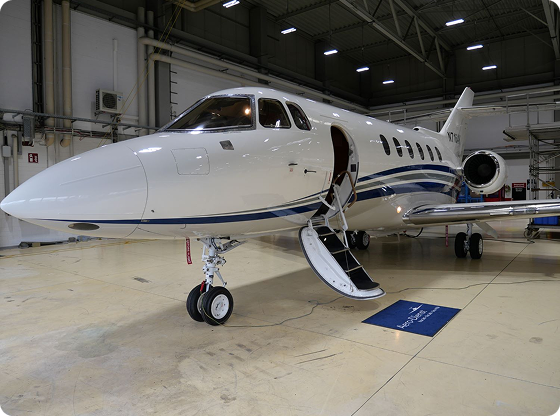
Heavy vs. Ultra-Long-Range
Ultra-long-range jets are a sub-category of heavy jets, not a separate class — a distinction that matters for mission planning. Standard heavy jets cover 3,800 to 4,500 nautical miles; ultra-long-range variants extend to 7,700, enabling true non-stop intercontinental operations. Route length, schedule sensitivity, and lie-flat requirements on flights exceeding 14 hours are the three factors that determine which tier your mission requires.
Popular Heavy Jets
The Bombardier Global 6000, Gulfstream G550, and Dassault Falcon 7X represent the most requested heavy jet platforms in business aviation. Each delivers stand-up cabin height, intercontinental range, and dual-zone configurations suited to demanding international itineraries. ACASS recommends platforms based on mission requirements — route, group size, and schedule — not category preference.
Operational Considerations
-
Direct AOC Authority
ACASS holds Air Operator Certificates in Canada since 2004, Ireland since 2020, and San Marino since 2015 — direct operational authority across multiple jurisdictions. No sub-chartering to third-party certificate holders. The organization that issues the quote is the organization that dispatches the crew and holds regulatory authority for the flight.
-
Crew & Compliance
Heavy jet operations require a minimum of two pilots. Ultra-long-range missions approaching or exceeding 14 hours require an augmented three-pilot crew to meet duty-time regulations. ACASS manages crew scheduling, qualification verification, and rest compliance directly — a responsibility that belongs to the operator, not a broker arranging access to third-party inventory.
-
Ground & Routing
ACASS coordinates FBO selection, slot procedures, and ground handling as standard operational functions. Transatlantic routing requires MNPS and RVSM authorizations, North Atlantic Track coordination, and overflight permits — all managed at dispatch level before departure. IS-BAO Stage 3 certification, awarded in 2017, and ARGUS Gold rating, held since 2013, govern the safety standards embedded in every heavy jet engagement.
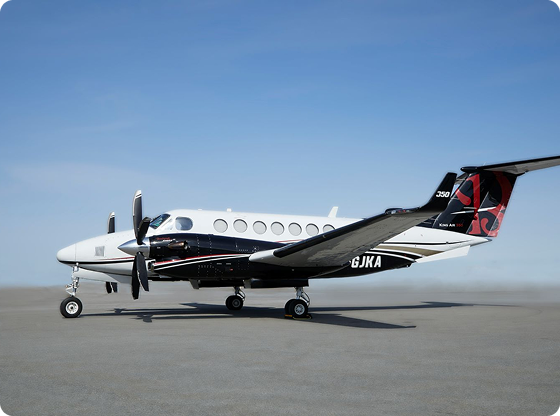
Range & Routing
Standard heavy jets cover 3,800 to 4,500 nautical miles; ultra-long-range variants extend to 7,700, enabling non-stop intercontinental operations. Heavy jets require 5,500 to 6,500 feet of runway — most major airports qualify, but secondary and high-altitude facilities may not. ACASS manages international routing, overflight permits, and ground coordination across 56 countries as an integrated part of every charter arrangement.
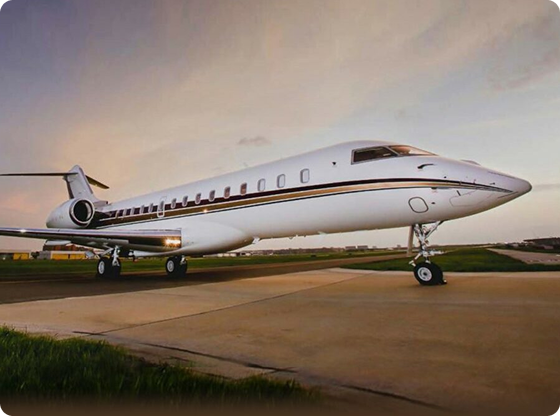
Right for You?
Heavy jet charter suits groups of eight or more on international routes, flights exceeding five hours, and itineraries requiring non-stop intercontinental range. For smaller groups on shorter routes, a super-midsize jet may be more appropriate — ACASS recommends based on mission requirements, not category default. Connect with a Specialist to assess your route, group size, and cabin requirements.
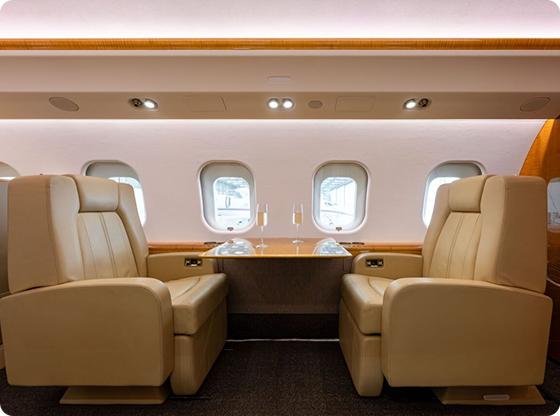
Charter With ACASS
ACASS holds Air Operator Certificates in Canada, Ireland, and San Marino — operating authority, not referral. IS-BAO Stage 3 certification, awarded in 2017, and ARGUS Gold rating, held since 2013, govern every heavy jet engagement. On-demand charter and Charter Account options are available across a 56-country operational footprint. Connect with a Specialist to request a consultation. Own Your Journey®.
FAQ
-
A heavy jet occupies the upper tier of business aviation, distinguished from the super-midsize category by three defining characteristics: stand-up cabin height, passenger capacity of 10 to 16 depending on configuration, and range exceeding 4,000 nautical miles on standard variants. Where super-midsize jets offer a more compact cabin cross-section and limited intercontinental range, heavy jets are engineered for long-haul and transcontinental missions where cabin environment over extended flight durations is an operational requirement, not a preference. For groups requiring genuine freedom of movement, lie-flat seating, and full galley service across international routes, the heavy jet category is the appropriate starting point. Connect with a Specialist to confirm the right platform for your mission.
-
Ultra-long-range jets are a sub-category of the heavy jet class, not a separate aircraft category — a distinction that matters significantly for mission planning. Standard heavy jets operate within a range envelope of 3,800 to 4,500 nautical miles, covering a broad set of transatlantic and long-haul routes. Ultra-long-range variants extend that capability to approximately 7,700 nautical miles, enabling non-stop intercontinental operations on routes such as Montreal to Tokyo or Dubai to São Paulo. Mission planning should begin with route length. When an intermediate fuel stop would introduce unacceptable schedule risk — on time-critical, confidential, or medically sensitive travel — ultra-long-range capability eliminates that variable entirely.
-
A direct Air Operator Certificate holder employs the crew, holds the regulatory authority, and carries full accountability for every aspect of the flight. When ACASS operates a heavy jet charter, the organization that issued the quote is the same organization that dispatched the crew, coordinated ground handling, and holds Transport Canada authorization for the operation. A broker, by contrast, places the charter with a third-party operator — meaning the client may have no visibility into the actual operator’s identity, safety certifications, or crew standards. For missions involving sensitive passengers, confidential business matters, or complex international routing, that accountability gap carries real operational consequence. ACASS is the operator. Own Your Journey®.
-
Heavy jet charter introduces a set of operational variables that a credentialed direct operator manages as standard practice. Crew composition is one: ultra-long-range missions approaching or exceeding 14 hours require an augmented three-pilot crew to meet duty-time regulations. Airport access is another — heavy jets typically require between 5,500 and 6,500 feet of runway, and not every secondary or high-altitude facility qualifies. International routing requires MNPS and RVSM authorizations, overflight permits, and North Atlantic Track coordination. ACASS manages each of these considerations at the dispatch level, across a 56-country operational footprint, before the aircraft departs. IS-BAO Stage 3 certification, awarded in 2017, and ARGUS Gold rating, held since 2013, govern the standards applied to every engagement.
