
Our
Locations
-
World HQ

6700 Côte de Liesse, suite 206,
+1 514 636-1099
Montréal, Canada,
H4T 2B5 -
Ireland

Suite 3230, Building 3000, Westpark Business Campus, Shannon, Clare, V14 AN29
+353 61 475 802 -
San Marino

World Trade Center, Via Consiglio dei Sessanta,
+39 0549 942-551
99, 47891 Dogana, San Marino


PC-12 vs King Air 350: Choosing the Right Turboprop
Pilatus PC-12 charter and King Air 350 charter represent the two benchmark options in the business turboprop category, and the choice between them is an operational profile decision. ACASS operates both aircraft types as a direct AOC holder across Canada, Ireland, and San Marino — not as a broker. With 30+ years of operational experience across 56 countries, Own Your Journey® begins with the right aircraft for every operation.
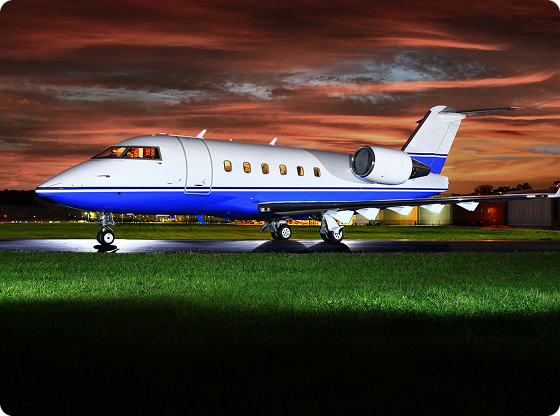
What Is the Pilatus PC-12?
The Pilatus PC-12 is a single-engine pressurized turboprop manufactured by Pilatus Aircraft of Switzerland, in continuous production since the early 1990s. Powered by a Pratt & Whitney Canada PT6 engine, the PC-12 is recognized across business aviation for its reliability, versatility, and ability to operate from short and unpaved airstrips. Designed from inception for mixed passenger-and-cargo operations, it features a large rear cargo door and a pressurized cabin that distinguishes it from most single-engine aircraft in its class.
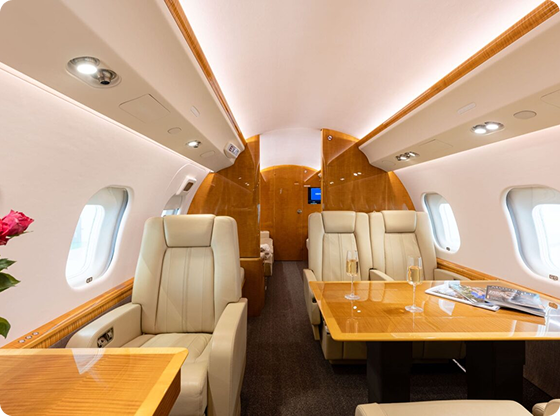
PC-12 Cabin and Performance
The PC-12’s flat-floor pressurized cabin is typically configured for six to nine passengers depending on layout, with interior design developed in partnership with BMW Group Designworks, giving it an unusually refined finish for a single-engine turboprop. The large rear cargo door enables rapid reconfiguration between passenger and freight roles. Certified for single-pilot IFR operations, the PC-12 offers meaningful scheduling flexibility for owner-operators. Its capability on short, unimproved, and unpaved airstrips makes it one of the most operationally versatile business aircraft available in any category.
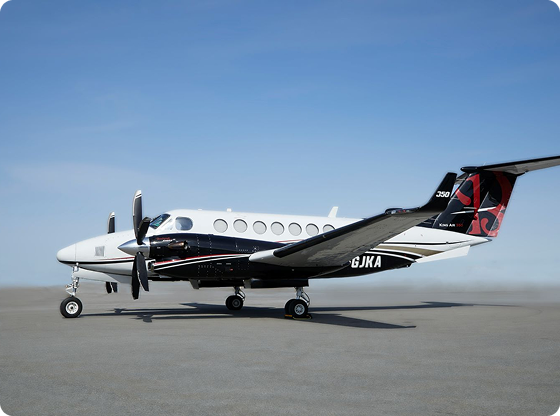
What Is the King Air 350?
The Beechcraft King Air 350 is the flagship of the King Air family, manufactured by Beechcraft within Textron Aviation. A twin-engine pressurized turboprop powered by Pratt & Whitney PT6A-60A engines, the King Air 350 has accumulated a flight history spanning decades and is consistently cited as the world’s bestselling turboprop family. Its twin-engine configuration, pressurized cabin, and established reliability record make it a natural choice for corporate operators who require consistent performance across a broad range of operations and conditions.
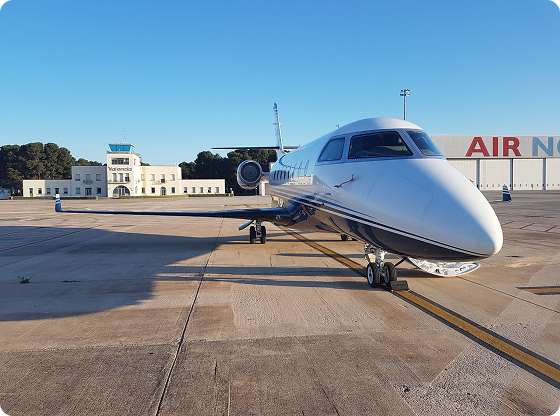
King Air 350 Cabin and Range
The King Air 350 cabin is typically configured for eight to nine passengers in a double-club arrangement, with more interior volume than many light jets in its charter category. Active noise reduction makes the cabin unusually quiet for a turboprop of its size. The aircraft is equipped with Collins ProLine Fusion avionics across the 350i variants. Extended-range variants, the 350ER and 350iER, add belly cargo pods and additional fuel capacity for longer sectors. Short-field capability remains a shared advantage with the PC-12, opening access to regional and remote airports.
Pilatus PC-12 vs. King Air 350
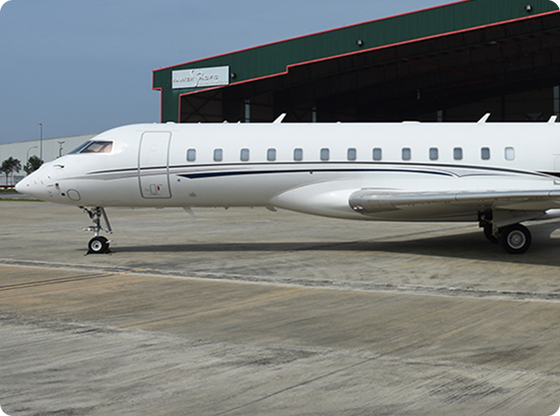
The most fundamental distinction between the PC-12 and King Air 350 is engine configuration: the PC-12 is single-engine, offering lower operational complexity; the King Air 350 is twin-engine, providing redundancy and a larger cabin. The King Air 350 carries more passengers in standard configuration and suits group corporate travel; the PC-12 is the operationally superior choice for short-field, remote-access, and owner-pilot operations. For operators prioritizing single-pilot flexibility, the PC-12 holds a clear structural advantage. For those requiring cabin capacity and twin-engine reliability, the King Air 350 leads.
Chartering a Turboprop Aircraft
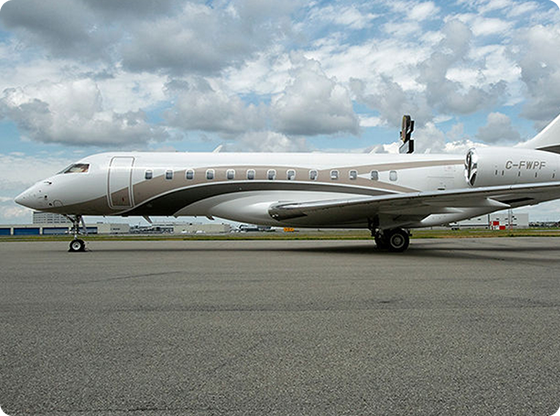
Chartering a turboprop with an AOC-holding operator is structurally different from booking through a broker. The AOC holder directly controls the aircraft, crew, and safety standards on every flight; a broker arranges access to third-party aircraft without direct operational accountability. Both the PC-12 and King Air 350 are well-suited to on-demand charter across short-sector, remote-access, and regional operations. Explore ACASS charter services for turboprop availability. ACASS operates charter under AOCs in Canada (2004), Ireland (2020), and San Marino (2015).
Turboprop Aircraft Management
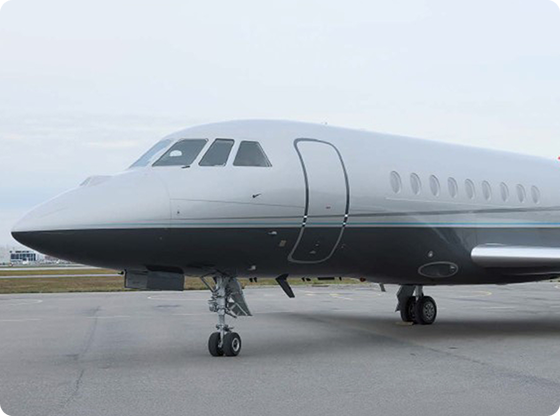
Full-service turboprop aircraft management covers the complete operational burden: regulatory compliance, maintenance oversight, crew management, insurance coordination, and financial reporting. Owners of PC-12 and King Air 350 aircraft frequently enter management programs to reduce the administrative and regulatory complexity of ownership. A managed turboprop can also generate charter revenue through an AOC-holder’s operating certificate, offsetting ownership costs without requiring the owner to hold their own commercial authorization. Management scope, safety certification, and financial transparency are the key variables when selecting a management partner.
Why Operators Choose ACASS
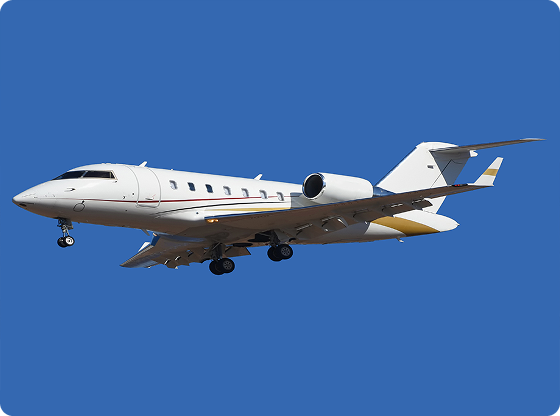
ACASS operates as a direct AOC holder in Canada (2004), Ireland (2020), and San Marino (2015), not as a broker, across charter and management engagements. IS-BAO Stage 3, awarded in 2017, and ARGUS Gold since 2013 are independently verified operational and safety standards that apply directly to every managed aircraft. IADA Accredited Dealer status since 2019 supports acquisition decisions for PC-12 and King Air 350 prospective buyers. With 30+ years of experience and $2B+ in transactions across 56 countries, ACASS brings a depth of cross-fleet knowledge to every turboprop evaluation. The managed fleet carries $300M in insurance coverage, with full details available on request. Connect with a Specialist to begin your evaluation.
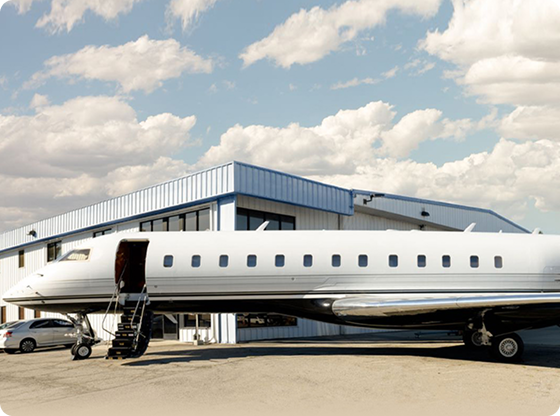
Turboprop Charter for Remote Operations
Both the PC-12 and King Air 350 are capable of operating from short and unpaved airstrips, opening destinations inaccessible to most business jets. In Sub-Saharan Africa, the Caribbean, the Middle East, and Southeast Asia, turboprop access is often the only practical charter option for clients who require both reach and reliability. ACASS’s operational footprint across 56 countries reflects direct experience in markets where turboprop capability is not optional. Remote operations require an operator with active regulatory authorization across multiple jurisdictions, not a broker with access to third-party aircraft.
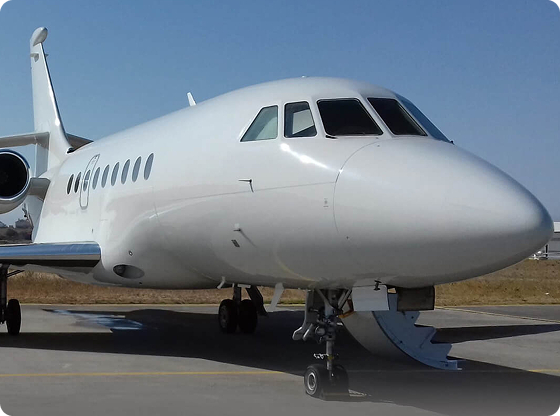
King Air 350 for Corporate Travel
The King Air 350’s cabin consistently exceeds the interior volume of many light jets, a direct advantage for corporate group travel of up to eight to nine passengers. For corporate flight departments operating across multiple short-to-medium sectors on fixed schedules, the King Air 350 delivers the cabin productivity, twin-engine reliability, and short-field access that the operation requires. Managed King Air 350 operations provide full schedule control, dedicated crew continuity, and coordinated maintenance planning. Charter and management can operate in parallel, reducing net ownership cost while maintaining schedule availability for the owner.
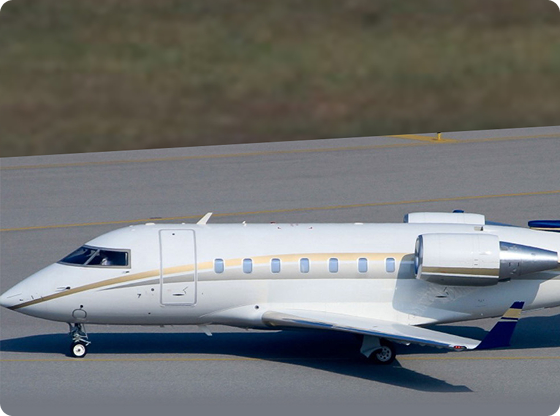
PC-12 for Owner-Pilots and Operators
The Pilatus PC-12 is unique in the pressurized turboprop category for its single-pilot certification, enabling owner-operators to fly the aircraft themselves or with a single professional pilot. For owners who value both hands-on participation and professional support, a managed PC-12 provides the structure to move between owner-flown and fully managed operations as the operation requires. The PC-12’s reconfigurable cabin, rear cargo door, and remote-airstrip capability make it one of the most adaptable managed aircraft in the business turboprop category, serving passenger, cargo, and regional access operations from a single airframe.
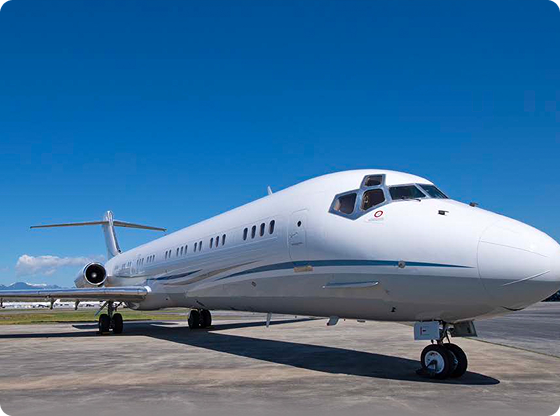
The Right Turboprop for Your Operation
The Pilatus PC-12 charter and King Air 350 charter options represent the best of the business turboprop category. For short-sector, remote-access, and owner-pilot operations, the PC-12 is the more operationally flexible platform. For group corporate travel, twin-engine redundancy, and cabin productivity, the King Air 350 leads. ACASS operates both types under a multi-jurisdiction AOC structure, providing a consultative evaluation grounded in 30+ years of cross-fleet experience across 56 countries. Connect with a Specialist to explore turboprop charter and management options.
ACASS — Own Your Journey®
Frequently Asked Questions
-
The Pilatus PC-12 offers substantial range for a single-engine turboprop, making it viable for regional and short-to-medium intercontinental routing without intermediate stops. Range varies by variant: the NGX is the most capable current production model, with greater range and payload than earlier NG variants. Configuration and payload affect the available range on any given sector. For route-specific range analysis, ACASS specialists evaluate route and payload requirements as part of the aircraft selection process. The PC-12’s range makes it viable for island access, coastal routes, and regional overland operations.
-
Yes. The King Air 350 is certificated for international operations under ICAO standards and is regularly used for cross-border and intercontinental regional routing. Its range and twin-engine reliability make it a practical option for sectors such as North America to the Caribbean, intra-European routes, and multi-stop African itineraries. International charter operations require appropriate airworthiness documentation and operator authorization in the relevant jurisdictions. ACASS holds AOCs in Canada (2004), Ireland (2020), and San Marino (2015), enabling multi-jurisdiction operations across North America and Europe. Crew qualification requirements vary by destination.
-
The most fundamental difference is engine configuration: the PC-12 is a single-engine turboprop; the King Air 350 is twin-engine, providing redundancy and a larger cabin. The King Air 350 carries more passengers in standard configuration and has a longer, wider cabin suited to corporate group travel. The PC-12 is certificated for single-pilot operations and offers superior short-field and remote-access capability. Both burn Jet-A fuel and share PT6 engine family heritage. The right choice depends on route profile, group size, crewing preference, and destination access requirements.
-
Yes. ACASS provides full-service aircraft management for turboprop operators, including the Pilatus PC-12 and Beechcraft King Air 350. The management program covers regulatory compliance, maintenance oversight, crew management, insurance coordination, and financial reporting. Managed aircraft can be placed in revenue-generating charter through ACASS’s multi-jurisdiction AOC structure, offsetting ownership costs without requiring the owner to hold their own operating certificate. ACASS holds IS-BAO Stage 3 certification, awarded in 2017, and ARGUS Gold since 2013, independently verified standards applied directly to every aircraft in the managed fleet.
-
An AOC holder operates aircraft directly under a civil aviation authority certificate, making the operator accountable for the aircraft, crew, maintenance, and safety standards on every flight. A broker arranges access to third-party aircraft; the operator of record may vary from booking to booking, and the broker carries no direct operational responsibility. ACASS holds AOCs in Canada (2004), Ireland (2020), and San Marino (2015), meaning it is the operator, not an intermediary, on every charter it conducts under those certificates. For PC-12 and King Air 350 clients, this distinction means consistent standards and direct accountability.
-
Turboprop charter is best suited to short-to-medium sectors, remote or island destinations, and operations where runway access limits the use of business jets. Common use cases include executive regional travel, cargo and passenger combination flights, medical transport, and access to coastal, mountain, or underdeveloped airstrips. Both the PC-12 and King Air 350 can serve passenger and cargo roles without aircraft changes, thanks to their reconfigurable cabins and cargo door designs. ACASS specialists evaluate operational requirements to recommend the right aircraft and confirm operational routing across all applicable jurisdictions.
