
Our
Locations
-
World HQ

6700 Côte de Liesse, suite 206,
+1 514 636-1099
Montréal, Canada,
H4T 2B5 -
Ireland

Suite 3230, Building 3000, Westpark Business Campus, Shannon, Clare, V14 AN29
+353 61 475 802 -
San Marino
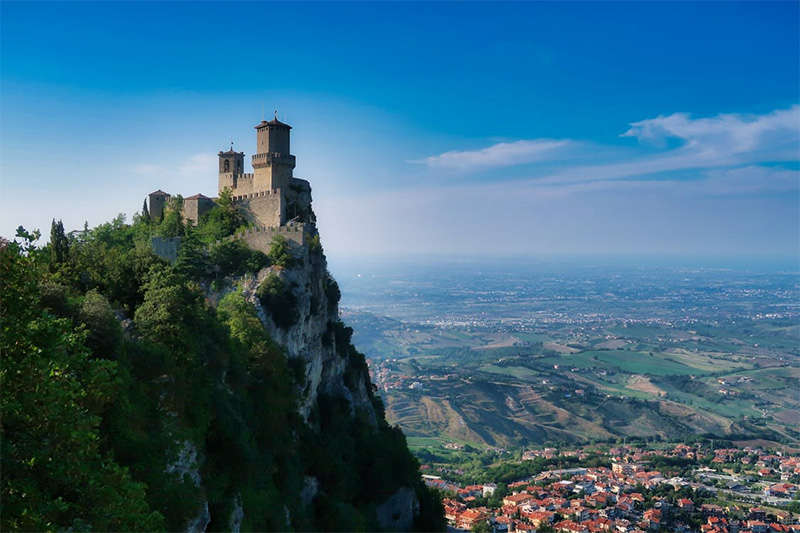
World Trade Center, Via Consiglio dei Sessanta,
+39 0549 942-551
99, 47891 Dogana, San Marino


Private Jet Charter at Geneva Airport (GVA) Guide
Private jet charter at Geneva Airport (GVA) runs through a dedicated business aviation terminal rather than the commercial concourse. Four private handlers, an unusual shared customs arrangement with France, and strict slot coordination all shape how flights into Geneva actually work. This guide covers the terminal setup, where arrivals come from, and how aircraft get matched to routes.

Geneva's Business Aviation Terminal
Geneva is one of Europe’s major business aviation airports, and the infrastructure reflects it.
Private jet charter at Geneva Airport (GVA) is handled through Terminal 3, a facility on the southwest side of the field, separate from the main passenger terminal. Passengers move between aircraft and vehicle without entering the commercial concourse at all. That separation sets the baseline for everything else covered here. Immigration and customs are processed within the terminal rather than in public halls.

Geneva Private FBOs
Several private handlers operate at the field, each carrying a different emphasis rather than offering an identical service.
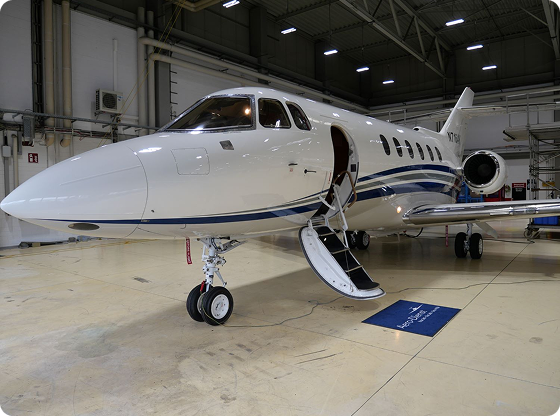
Some handlers are the usual choice for corporate and VIP travel, offering discreet, fully staffed service. Others tend to handle ski-season family arrivals efficiently, including bulky equipment. Selecting the right Geneva Airport FBO is a planning decision rather than an administrative one, and it shapes how quickly passengers clear the ramp on arrival.
Customs and the French Sector
Geneva Airport’s French Sector, at Pier F, is one of the few arrangements of its kind in Europe. Passengers travelling to or from France can access French territory directly from the airport without crossing into Switzerland.
It exists under a bilateral agreement dating to the 1960s between France and the Canton of Geneva. For clients heading to French Alpine resorts, or departing from the French side, it removes a border crossing entirely, which can save meaningful time at both ends of the journey.
Flying In From the EU
Switzerland is not an EU member, but its bilateral Air Transport Agreement with the European Union brings EASA-regulated operators inside a common framework for market access.
In practice, EU operators benefit from a simplified permit process into Geneva compared with operators outside that framework. The agreement governs access between the EU and Switzerland specifically. It confers no rights to operate domestic Swiss flights, which remain a separate matter entirely. Operators plan accordingly rather than assuming access follows automatically from the agreement.

Transatlantic Arrivals Into Geneva
A private jet to Geneva arriving from North America, the Gulf, or Asia follows a different administrative path. Non-EU Part 91 flights must submit full permit documentation ahead of arrival rather than relying on a simplified process.
Long-range aircraft handle the leg directly, so the flying is straightforward. The paperwork is where lead time matters, and it should be started well before the intended departure date. Handling, slots, and permits are arranged together rather than sequentially.
Runway Capability at GVA
Geneva has a single runway of roughly 3,900 metres, among the longest in Europe, running along the Swiss and French border.
It accommodates the full range, from light jets through to ultra-long-range aircraft departing fully fuelled for intercontinental sectors. Private jet charter at Geneva Airport (GVA) rarely encounters runway length as a constraint. Where limits appear, they come from slots, noise rules, or parking availability rather than the runway itself. Payload and sector length matter more to the aircraft decision than available length does.
Matching Aircraft to Route
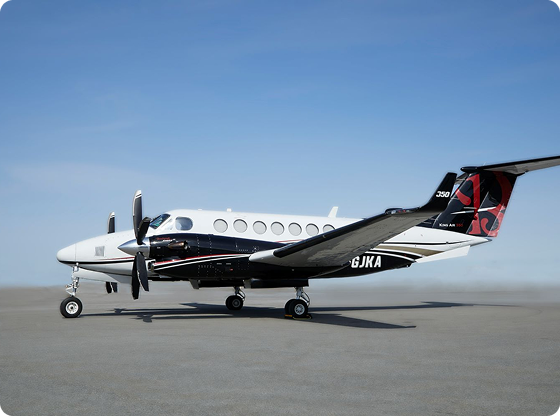
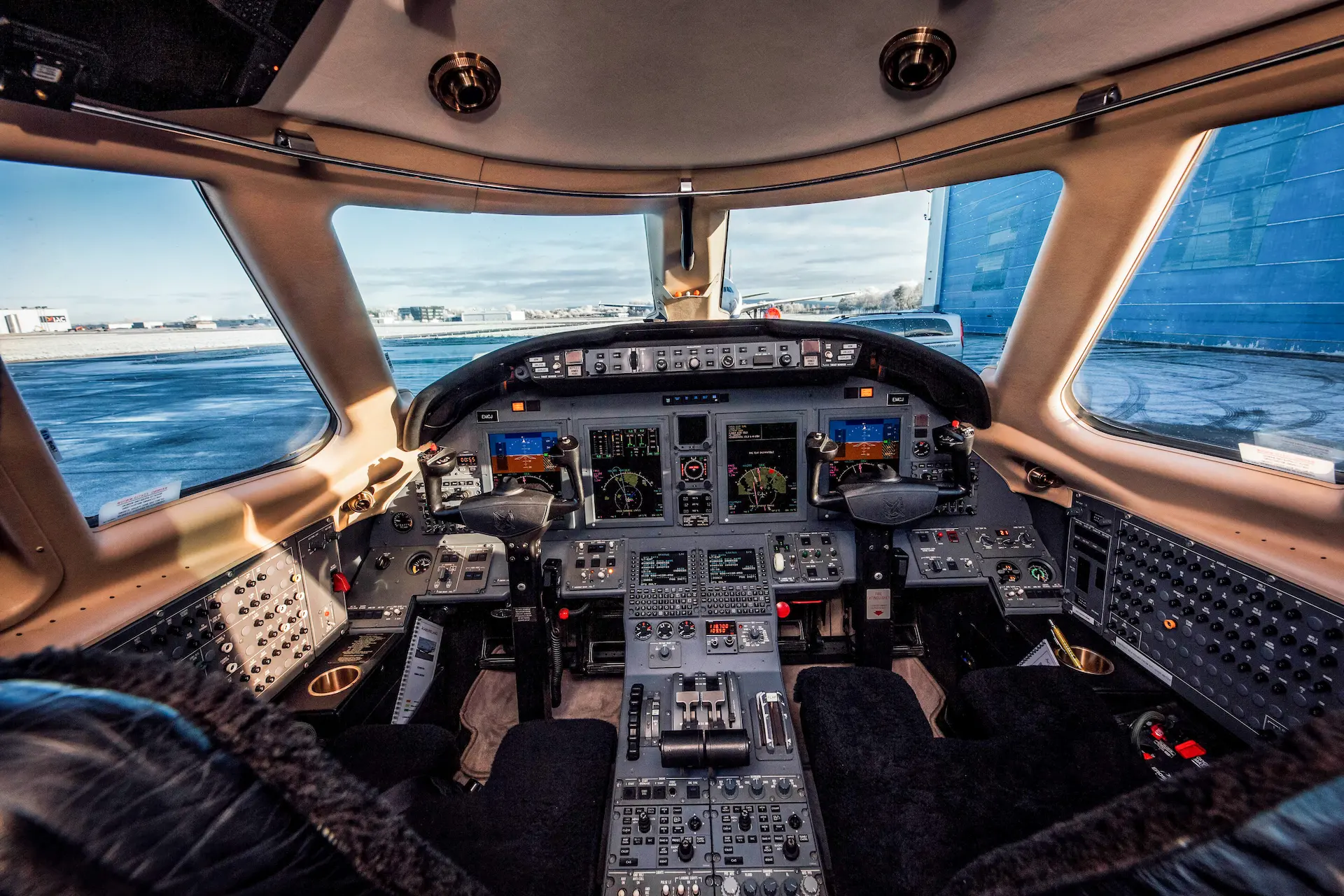
Aircraft selection follows the route rather than preference. Midsize aircraft suit the European and regional corridors that make up most Geneva private jet charter traffic, with cabin size matched to typical party numbers.
Intercontinental arrivals need long-range capability, which moves the choice into the heavy categories. Reviewing the available charter fleet against the actual sector avoids specifying an aircraft larger or smaller than the trip genuinely warrants. Party size and sector length usually settle it between them, without much debate.
Why ACASS Operates Directly
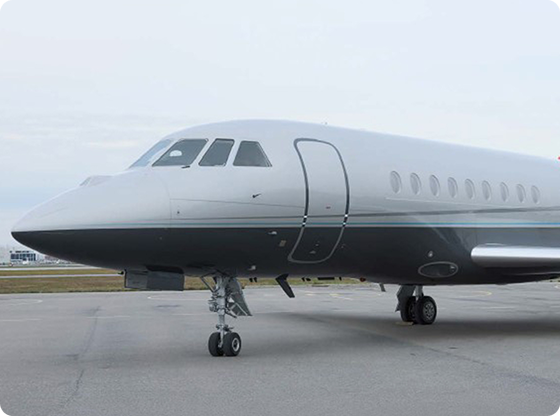
ACASS holds Air Operator Certificates in Canada, Ireland, and San Marino, and operates as the certificate holder rather than an intermediary placing flights elsewhere.
The Irish AOC matters here. EASA-aligned status supports access into Geneva under the EU and Switzerland Air Transport Agreement, within the coordination and advisory role ACASS holds rather than any Swiss domestic operating right. The approach behind charter without compromise applies equally to Alpine arrivals, where planning and operating sit with the same organization.

Slot Coordination at GVA
Geneva is a Level 3 fully coordinated airport, which means every arrival and departure requires a formally allocated slot.
That adds a planning step absent at quieter fields, and it becomes the governing constraint during high-demand periods. Ski season and major conference weeks are when availability tightens most sharply. Where dates are fixed, the slot is usually the first element to secure and the last to move. Everything else in the itinerary is built around what the coordinator allocates.

Noise Rules and Curfews
Aircraft that do not meet ICAO Chapter 4 noise standards face restrictions between 22:00 and 06:00 local time, and Geneva applies its noise rules seriously.
Worth confirming early, because it touches aircraft selection and arrival timing together. A late departure at the other end can push an arrival into the restricted window, turning a modest delay into a rescheduled flight or a diversion to an alternate. Aircraft compliance is straightforward to confirm before anything is committed.
Choosing Between Geneva and Zurich
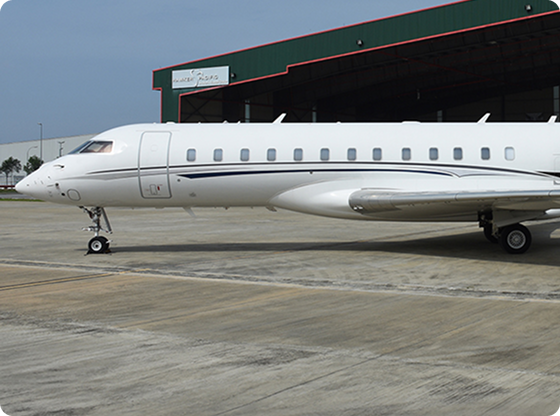
Switzerland’s two major business aviation airports serve different halves of the country, and the choice usually resolves itself once the final destination is clear.
Geneva private jet charter suits the western Alps and the Lake Geneva region most directly. Zurich is the stronger option for eastern Swiss destinations and the Engadin. Onward travel time, rather than any difference between the airports themselves, tends to settle the question. Both are well equipped for business aviation arrivals.
Conclusion
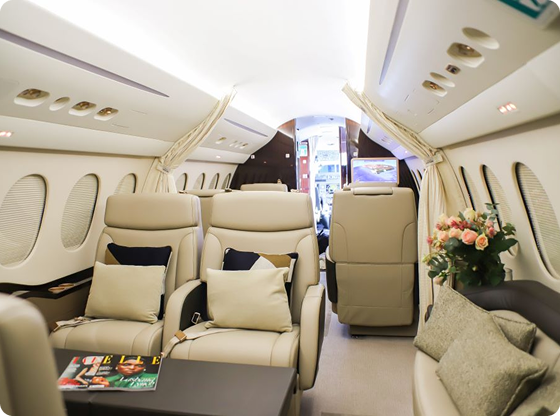
Private jet charter at Geneva Airport (GVA) gives passengers a dedicated business aviation terminal, multiple handling options, a well-defined customs process, and one of Europe’s longest runways. European and intercontinental arrivals each follow a distinct but well-established path, differing mainly in permit requirements and lead time. Slot coordination and noise rules shape the schedule more than anything else, which makes early planning the single most useful thing a traveller can do.
Frequently Asked Questions
-
Handling agent confirmation is mandatory for ramp services regardless of which operating rule a flight falls under, so every arrival needs a nominated handler in place.
Documentation requirements are where the difference shows. What must be submitted, and how far in advance, varies by operator classification and point of origin. This sits alongside the European and non-European permit distinction rather than replacing it, and both apply to the same flight. Confirming the classification early prevents documentation gaps closer to departure.
-
Restriction rather than exclusion. Aircraft outside the relevant noise standards face curfew limits on when they can operate rather than an outright ban on using Geneva.
The practical consequence is scheduling. An arrival or departure that would fall inside the restricted window has to move, which can mean an earlier departure at the other end or an overnight adjustment. Your Geneva Airport FBO and operator will confirm what applies to the specific aircraft before anything is booked.
-
Slot Coordination Switzerland acts as the IATA-recognized slot coordinator for Geneva. Every movement at a Level 3 airport must be formally coordinated through that body rather than arranged directly with the airport.
For passengers, the process is invisible: the operator or handler submits the request and confirms allocation. What it means in practice is that arrival and departure times are agreed in advance and not freely adjustable on the day. Changes are possible, though they need coordinating rather than simply announcing.
-
Yes. Jet A-1 is available at Geneva through both the hydrant system and bowser delivery, so refuelling is arranged on the ramp as part of the turnaround.
De-icing and other ramp services are coordinated through the selected Geneva Airport FBO rather than booked separately. During winter, de-icing demand can affect departure timing, so it is worth flagging expected requirements when the handling arrangements are first confirmed rather than on the morning of the flight. Turnaround times lengthen noticeably in poor conditions.
-
No separate reservation system exists. Passengers using Geneva Airport’s French Sector are coordinated by the handling FBO as part of standard flight and ground arrangements.
What it does require is advance notice, since the routing determines which side of the border the arrival is processed through. Raising it when the trip is first discussed is enough. The handler manages the rest alongside the usual customs and immigration arrangements, and passengers notice little difference in the process itself.
-
An ACASS charter specialist plans aircraft selection, FBO choice, and slot timing as one process rather than three separate arrangements, which matters at an airport where the slot governs everything downstream.
Direct AOC operator status keeps accountability with a single party across the full arrival, from permit documentation through ground handling. Where a Swiss arrival involves onward transfer into the Alps, that leg is coordinated alongside the flight itself rather than treated as a separate booking. Lead time helps most during the constrained winter weeks.
