
Our
Locations
-
World HQ

6700 Côte de Liesse, suite 206,
+1 514 636-1099
Montréal, Canada,
H4T 2B5 -
Ireland

Suite 3230, Building 3000, Westpark Business Campus, Shannon, Clare, V14 AN29
+353 61 475 802 -
San Marino

World Trade Center, Via Consiglio dei Sessanta,
+39 0549 942-551
99, 47891 Dogana, San Marino


Private Jet Charter from Miami to New York
Miami to New York is one of America’s busiest business aviation corridors. ACASS helps business and snowbird travelers alike access the right charter for this route.
Connect with a Specialist
Why This Corridor Matters
Miami to New York stands among the most heavily traveled business aviation routes in the country, with strong year-round business demand combining with pronounced snowbird seasonality each winter. The route’s popularity supports both competitive availability and consistent positioning flight opportunities for schedule-flexible travelers. Charter eliminates the congestion and connection requirements that commercial alternatives impose on this well-traveled corridor.
Miami and New York Airport Options
Miami International (MIA) and Opa-locka Executive (OPF) serve as primary Miami-side departure points, while Teterboro (TEB) functions as the preferred New York-area gateway for business aviation. Westchester County (HPN) and JFK provide additional options depending on final destination within the broader New York metro area. Airport selection ultimately depends on aircraft category and the traveler’s specific destination.
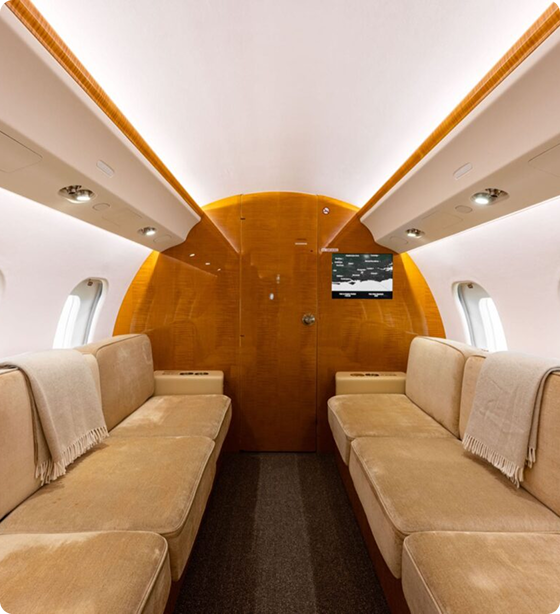
Flight Time and Route Distance
The Miami to New York corridor covers approximately 1,100 statute miles, placing it well within range for midsize and super-midsize jets. Typical flight times run between two and a half and three hours depending on aircraft type and routing conditions. This distance profile rewards a well-chosen aircraft category, balancing speed with comfort over a relatively short journey.
Aircraft for This Route
Midsize Jets for Comfort
Midsize jets, including the Cessna Citation Latitude, offer stand-up cabins and productive work space well suited to this corridor’s flight time.
Super-Midsize for Extended Comfort
Aircraft such as the Bombardier Challenger 350 add additional range and cabin space, suiting travelers prioritizing comfort or larger groups.
Heavy Jets for Larger Groups
Heavy jet categories accommodate larger groups or additional baggage requirements for travelers needing more capacity on this route.

Miami to Los Angeles: A Related Route
Miami to Los Angeles represents a related high-opportunity corridor connecting MIA or OPF to Van Nuys or LAX. The approximately five-hour flight time typically calls for super-midsize or heavy jet categories given the longer distance involved. This route serves cross-country business and entertainment-industry travel, complementing the more Northeast-focused demand pattern of the New York corridor.
Snowbird and Business Travel Patterns
This corridor serves dual demand profiles: year-round business and finance-sector travel, and pronounced seasonal snowbird travel each winter as South Florida residents maintain Northeast business ties. This combination supports consistent route activity and meaningful empty leg opportunities for schedule-flexible travelers throughout the calendar year, not just during peak season.
Safety Standards on This Corridor
IS-BAO Stage 3 certification, held since 2017, and ARGUS Gold certification, held since 2013, reflect the internationally recognized safety standards ACASS applies across its operations. Travelers are encouraged to verify any provider’s certifications and confirm whether the company operates directly or arranges third-party aircraft before booking, particularly on high-frequency routes where multiple operators compete for the same charter demand.
Frequently Asked Questions
-
The Miami to New York corridor covers approximately 1,100 statute miles, with typical flight times running between two and a half and three hours depending on aircraft type and routing conditions. This distance profile places the route squarely within range for midsize and super-midsize jets without requiring a fuel stop, making it one of the most efficient business aviation corridors in the country.
-
Teterboro (TEB) is generally the preferred New York-area business aviation gateway for Miami charter flights, offering dedicated general aviation infrastructure. Westchester County (HPN) provides an alternative depending on the traveler’s specific destination. JFK remains an option for travelers requiring its specific facilities, though TEB and HPN are more commonly used for business aviation on this corridor.
-
Midsize jets such as the Citation Latitude offer stand-up cabins well suited to this corridor’s flight time. Super-midsize aircraft like the Challenger 350 add range and cabin comfort for travelers prioritizing a more spacious experience or traveling with larger groups. Aircraft selection ultimately depends on passenger count, baggage requirements, and comfort preferences for the roughly three-hour journey.
-
Miami to Los Angeles is a longer corridor at approximately five hours, connecting MIA or OPF to Van Nuys or LAX. This greater distance typically calls for super-midsize or heavy jet categories rather than the midsize aircraft common on the shorter New York route. The Los Angeles corridor serves cross-country business and entertainment-industry travel, complementing the more Northeast-focused Miami to New York demand pattern.
-
This corridor’s status as one of the busiest business aviation routes in the country, combined with Florida’s pronounced snowbird seasonality, creates regular turn-based repositioning opportunities. Aircraft completing one-way charters frequently need to return to their base, generating empty leg availability for schedule-flexible travelers throughout the year, with particularly strong activity during the winter snowbird season.
