
Our
Locations
-
World HQ

6700 Côte de Liesse, suite 206,
+1 514 636-1099
Montréal, Canada,
H4T 2B5 -
Ireland

Suite 3230, Building 3000, Westpark Business Campus, Shannon, Clare, V14 AN29
+353 61 475 802 -
San Marino

World Trade Center, Via Consiglio dei Sessanta,
+39 0549 942-551
99, 47891 Dogana, San Marino


Private Jet Charter in Nigeria
Business aviation in Nigeria connects Lagos and Abuja’s commercial and political centers. ACASS brings consultative private jet charter expertise and decades of global aviation experience to every engagement.
Connect with a Specialist
Why Nigeria Demands Business Aviation
Lagos stands as West Africa’s financial hub, while Abuja serves as the Federal Capital Territory and seat of government, creating two centers of gravity that executives must move between regularly. Commercial carriers struggle with congestion and rigid scheduling that rarely matches an executive’s actual itinerary. Charter solves this by letting business and government engagements share the same day, with ACASS bringing a consultative approach to navigating a complex aviation market.
A Global Aviation Consultant
ACASS brings 30+ years of global business aviation experience across 56 countries to every engagement. A consultant differs from a transactional broker by offering vetting, expertise, and personal attention rather than simply arranging access. ACASS positions itself as a trusted advisor in this sense, a model that applies consistently across the full range of ACASS services worldwide, from aircraft sales to charter coordination.
Abuja and Lagos Hubs
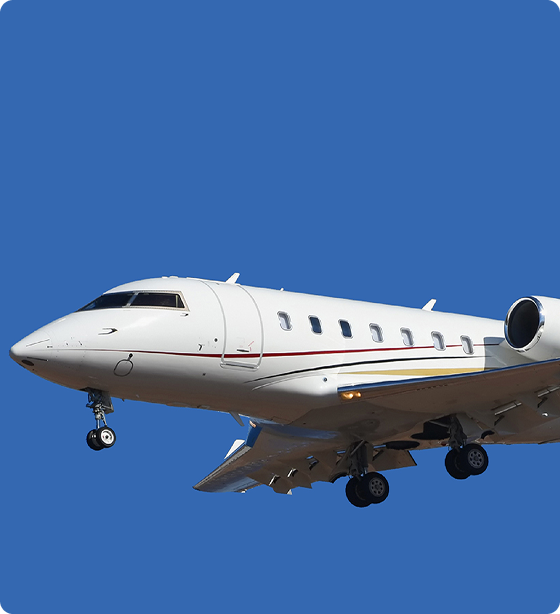
Nnamdi Azikiwe International Airport (ABV/DNAA) serves Abuja’s government, diplomatic, and business travelers, while Murtala Muhammed International Airport (LOS/DNMM) serves Lagos’s commercial and financial sector. Together, these two cities anchor the bulk of Nigeria’s business aviation demand. Port Harcourt also plays a secondary role as a hub for the country’s energy sector.
Aircraft Options by Route Type
Light and Midsize Jets
Suited to short to medium domestic routes such as Lagos to Abuja and Lagos to Port Harcourt, these aircraft offer efficient turnaround for smaller groups and frequent point-to-point travel on tight executive schedules.
Super-Midsize and Heavy Jets
Better suited to regional West African and longer continental routes, these aircraft provide larger cabin space for extended meetings in transit, appropriate for delegations or multi-stakeholder travel parties.
Long-Range Aircraft
Suited to intercontinental connections from Nigeria to Europe, the Middle East, or North America, these aircraft reduce transit complexity for principals routing through Lagos or Abuja toward international destinations.
Key Nigerian Charter Routes
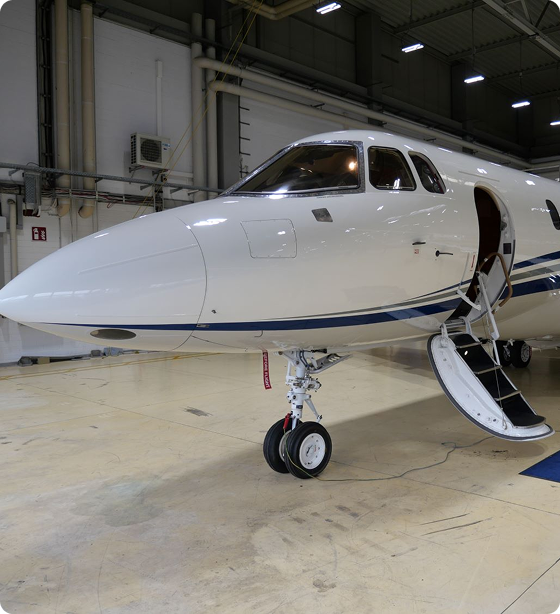
Lagos to Abuja remains the dominant domestic corridor for executive and government travel, while Abuja to Port Harcourt and Lagos to Port Harcourt support energy-sector connectivity. Nigeria-to-international routings via Lagos or Abuja gateways extend the network further. Throughout, charter scheduling offers flexibility that fixed commercial timetables cannot match.
Safety and Certification Standards
ACASS holds IS-BAO Stage 3 certification, awarded in 2017, placing it among a select group of operators worldwide to hold this designation, alongside ARGUS Gold certification, held since 2013. These standards reflect ACASS’s global Safety Management System and operational excellence. Clients are encouraged to verify any aviation provider’s certifications and regulatory standing before booking a flight.
Planning Your Private Jet Charter
Nigerian charter travel benefits from confirming aircraft availability and routing well in advance, alongside permit and customs coordination for any cross-border legs. Ground handling arrangements at private terminals, where available, add further efficiency. Working with an experienced aviation advisor familiar with West African operating conditions helps travelers navigate these considerations, and ACASS provides that guidance from a global advisory standpoint.
Frequently Asked Questions
-
Lagos to Abuja is the dominant domestic business aviation corridor, connecting Nigeria’s commercial capital with its federal seat. Flight time runs roughly an hour, compared to the lengthy check-in and security processes commercial travel requires. The route serves government officials, corporate executives, and diplomatic travelers, driven by the frequent need to move between business meetings in Lagos and government engagements in Abuja within the same day.
-
Nnamdi Azikiwe International Airport (ABV/DNAA) is the primary gateway for Abuja, serving government and diplomatic traffic, while Murtala Muhammed International Airport (LOS/DNMM) serves Lagos’s commercial and financial sector. Port Harcourt International Airport supports the energy industry corridor. Each offers distinct handling considerations for business aviation travelers compared to commercial terminals, with private terminals generally reducing processing time.
-
Light and midsize jets are common for short domestic legs like Lagos to Abuja, due to efficient turnaround. Super-midsize and heavy jets support larger delegations or regional West African travel. Aircraft selection depends on passenger count, route distance, and runway requirements at the departure and arrival airports, with providers typically assessing these requirements before recommending an aircraft category for any given route.
-
Business aviation avoids congestion and security delays at major commercial terminals, enabling same-day multi-city itineraries between Lagos, Abuja, and other business centers. It supports confidential travel for sensitive negotiations or government-related business. Flexible scheduling matches unpredictable executive calendars more effectively than fixed commercial timetables, a particular advantage for government, diplomatic, and energy-sector travelers with time-critical itineraries.
-
Confirm the operator’s safety certifications and regulatory standing before booking. Verify whether the company operates aircraft directly or arranges access through third parties, since accountability differs between the two models. Review crew qualifications and aircraft maintenance documentation, and for cross-border flights, confirm permit and customs coordination is handled in advance. Travelers are encouraged to verify credentials directly with any aviation provider before confirming arrangements.
