
Our
Locations
-
World HQ

6700 Côte de Liesse, suite 206,
+1 514 636-1099
Montréal, Canada,
H4T 2B5 -
Ireland

Suite 3230, Building 3000, Westpark Business Campus, Shannon, Clare, V14 AN29
+353 61 475 802 -
San Marino

World Trade Center, Via Consiglio dei Sessanta,
+39 0549 942-551
99, 47891 Dogana, San Marino


Private Jet from Montreal to Paris Guide
A private jet from Montreal to Paris starts with matching the right aircraft to a genuinely long crossing. The corridor is flown regularly by executives, investors, and cultural travellers moving in both directions. This guide covers who uses the route, which aircraft make it nonstop, and how a transatlantic flight gets planned from first enquiry through arrival.
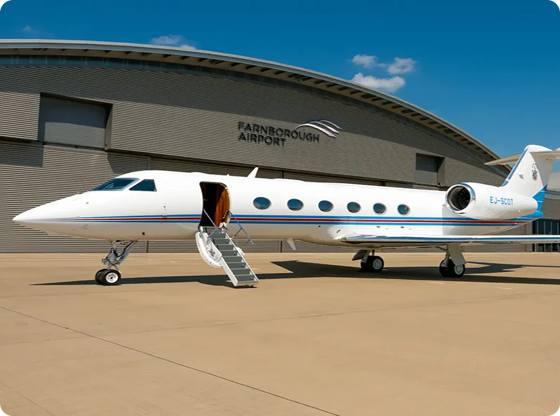
The Canada to Paris Corridor
Montreal anchors Canadian finance, aerospace, and technology, which puts a steady stream of executive travel on the eastbound leg. Paris draws business leaders and cultural travellers year-round, so demand runs in both directions rather than one.
That makes a private jet from Montreal to Paris a route worth planning specifically, not a generic transatlantic booking. Departure airport, aircraft, and timing all behave differently here than on a short hop from the same Montreal charter airports. The corridor is well served at both ends.
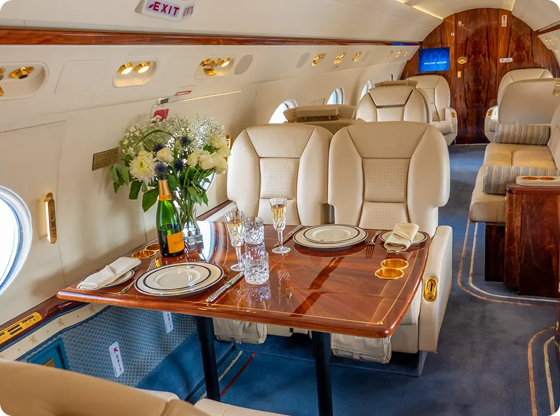
Who Flies This Route
Business executives, investors, and figures from the cultural world account for much of the traffic on this corridor, alongside families travelling between the two cities.
The common thread is what they are avoiding: forced connections, terminal queues, and schedules built around someone else’s timetable. Transatlantic private jet charter removes those constraints, which is why passengers who fly the route this way tend to keep flying it this way. Time recovered on a crossing of this length is measured in hours, not minutes.
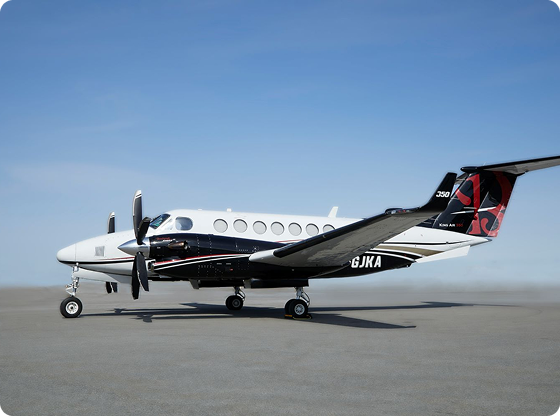
Global Express XRS Range
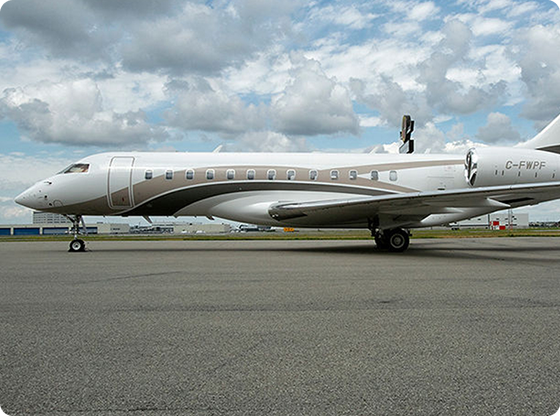
The Bombardier Global Express family has long been a default choice for Atlantic crossings, and the Global Express XRS range comfortably covers Montreal to Paris nonstop under normal conditions.
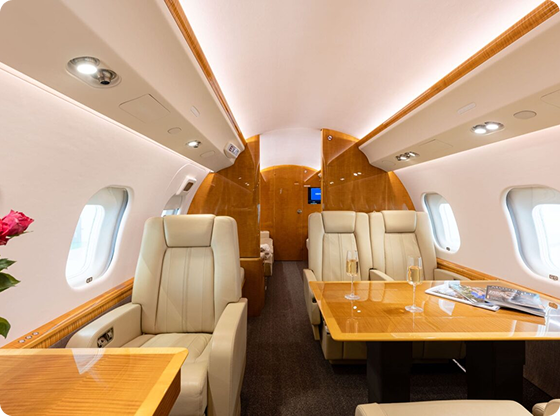
Its cabin divides into distinct zones, which matters when a crossing consumes most of a working day. Passengers can hold a meeting at one end and rest at the other without the two arrangements competing for the same space. It is one of three families genuinely suited to this corridor.
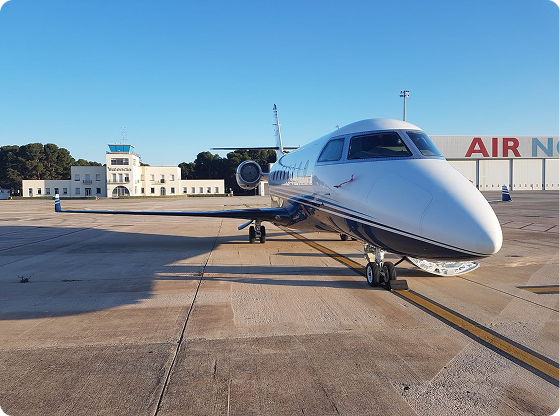
Falcon 8X Cabin Comfort
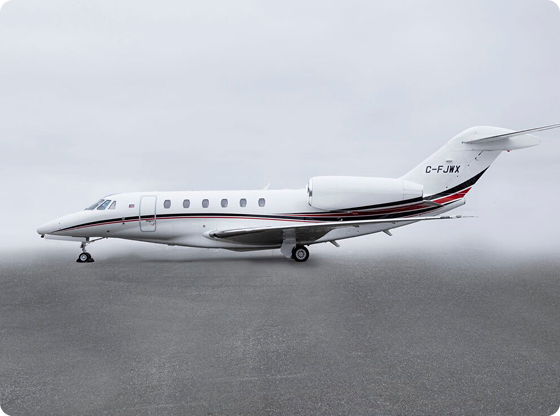
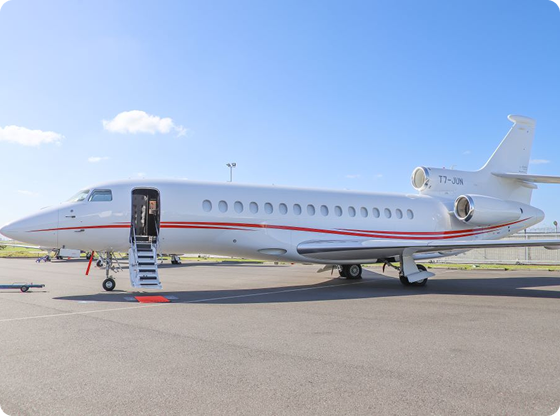
The Dassault Falcon 8X offers roughly 6,450 nautical miles of range, well beyond what this crossing demands, paired with one of the quietest cabins in its class.
Its supercritical wing supports efficiency across long sectors, which is part of why the Falcon 8X transatlantic range makes this a comfortable crossing rather than a marginal one. Cabin noise compounds over a long sector. Block times on the corridor typically fall between seven and nine hours depending on direction and winds.
Gulfstream G450 Range Capability
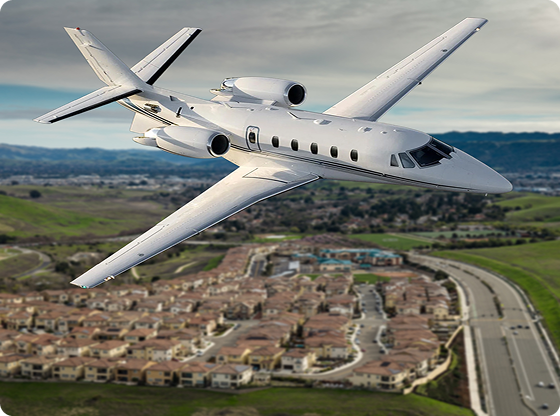
The Gulfstream G450 is a long-established model with a substantial record on transatlantic city pairs, and the Gulfstream G450’s transatlantic range covers this corridor without a technical stop.
It brings a different cabin size and passenger capacity profile than the other two aircraft, which can suit smaller parties or trips where cabin volume matters less than proven reliability. It rounds out the comparison as the mid-fleet option. For parties that do not need the largest cabin available, it remains a sensible and well-understood choice.
Choosing the Right Aircraft
All three complete this crossing nonstop under normal conditions, so range alone will not decide it. Passenger count and cabin priorities do: workspace, dining arrangements, and somewhere genuinely comfortable to rest.
A party of four with a working agenda wants something different from a group of 10 travelling together. Reviewing the available charter fleet against the actual trip profile, alongside a specialist, settles the question faster than comparing specification sheets. Range figures rarely separate these three; layout usually does.
Routing Across the Atlantic
Transatlantic private jet charter does not follow a straight line. Oceanic crossings use structured routing across the North Atlantic, with tracks assigned according to traffic and conditions on the day.
Those routes shift with prevailing winds and weather systems, which is why eastbound and westbound legs rarely take the same time. Flight planning accounts for all of it before departure, together with alternates and fuel reserves. Crews request oceanic clearance before entering the track system.
Why ACASS Flies Direct
ACASS holds Air Operator Certificates in Canada, Ireland, and San Marino, and operates as the certificate holder rather than an intermediary arranging flights through third parties.
On a long-haul, multi-jurisdiction route, that distinction has practical weight. Aircraft, crew, and regulatory coordination sit with one accountable party from planning through arrival, which is the principle behind charter without compromise. The crew flying the aircraft answers to the same organization that planned the trip, which removes a layer of translation.
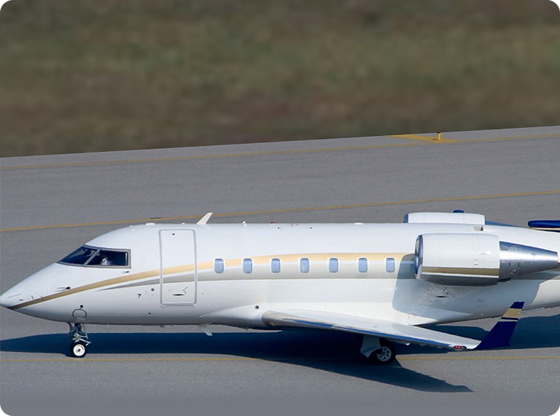
Timing Your Departure Window
Evening departures from North America land in Paris the following morning, which softens the time zone shift and puts passengers on the ground before the working day begins.
Timing shapes more than sleep. It determines onward connections, whether same-day meetings are realistic, and how much recovery the schedule allows afterwards. A private jet from Montreal to Paris rewards earlier planning than a short domestic charter usually requires. Weather at the Paris end can also shift a preferred departure window.

Crew Planning for Long-Haul
Long crossings fall under crew duty-time and rest requirements set by the operating AOC, and those rules are not adjustable to suit a preferred schedule.
A properly resourced operator plans crew rotations before confirming the trip rather than discovering the constraint afterwards. It is one of the clearer differences between long-haul charter and a short hop, where the same crew flies out and back without difficulty. Passengers rarely see this planning, but they feel its absence when it has not been done.

Why Direct Operators Matter
A direct AOC operator charter places accountability for aircraft, crew, and regulatory compliance with a single party. Nothing is subcontracted out of view.
That closes the coordination gaps which appear when several intermediaries sit between the passenger and the aircraft. On a transatlantic route, where planning margins are thinner and a late change carries more consequence, the difference tends to show itself quickly. Questions about maintenance status, crew currency, or insurance go to one place and come back answered.
Conclusion
A private jet from Montreal to Paris comes down to three things: the right aircraft, careful oceanic routing, and an operator who plans for the length of the crossing rather than treating it as a longer version of a short flight. The Bombardier Global Express XRS, Dassault Falcon 8X, and Gulfstream G450 each offer a credible nonstop option, and trip profile decides between them. Get those three elements right and the crossing becomes unremarkable, which is rather the point.
Frequently Asked Questions
-
Not necessarily. Crew complement follows aircraft size and cabin configuration rather than range capability, so two aircraft that both cross the Atlantic nonstop can carry different crews.
Larger cabins divided into multiple zones may call for additional cabin crew to serve them properly across a long crossing. Flight deck requirements are set by aircraft type and the operating certificate, and the operator confirms the full complement as part of trip planning. Cabin service levels are agreed alongside it.
-
Some can, some cannot. Smaller aircraft may need a technical stop en route depending on range, payload, and the headwinds forecast for the day.
The three aircraft covered here were chosen precisely because they avoid that requirement under normal conditions. If you are comparing options beyond them, ask directly whether the routing stays nonstop at your passenger count, since published range figures assume conditions that vary considerably. A stop adds time on the ground and another set of handling arrangements.
-
On this class of aircraft, distinct cabin zones are the norm: an area configured for work, another for dining, and a separate space for rest with proper berthing.
Full galleys support hot meals rather than reheated trays, and crew rest provision is built into the layout on aircraft designed for genuinely long sectors. The Falcon 8X transatlantic range comes paired with the cabin quietness that makes sleeping on board realistic. Connectivity sufficient for working across the crossing is now standard rather than exceptional.
-
No. The corridor is mature and routinely flown, with established oceanic routing, familiar handling arrangements at both ends, and no unusual regulatory complication to work around.
Where difficulty arises, it tends to be trip-specific rather than route-specific: an awkward passenger count, a tight departure window, or an aircraft that is marginal on range for the conditions. Those are planning variables, and they apply to any long crossing. Both cities have well-developed business aviation infrastructure, which removes most of the friction.
-
International arrivals clear customs and immigration through the arrival airport’s business aviation facility rather than the commercial terminal, which keeps the process brief and discreet.
Documentation requirements are generally straightforward for private and charter flights, though they depend on passenger nationality. Manifests and any jurisdiction-specific filings are submitted in advance as part of trip planning, so formalities on the ground are usually a matter of minutes. Crew handle the submissions rather than passengers, who simply present documents on arrival.
-
It begins with a conversation rather than a form. An ACASS charter specialist works through routing, passenger numbers, timing, and cabin requirements, then coordinates aircraft, crew, and permits as the operating certificate holder.
Because the planning and the operating sit with the same party, changes are handled directly rather than relayed onward. The process stays consultative throughout, which suits a route where details matter more than on a short domestic flight. Lead time helps, though short-notice requests are assessed on availability.
