Our
Locations

  • World HQ

    6700 Côte de Liesse, suite 206,
    Montréal, Canada,
    H4T 2B5

    +1 514 636-1099
  • Ireland

    Suite 3230, Building 3000, Westpark Business Campus, Shannon, Clare, V14 AN29

    +353 61 475 802
  • San Marino

    World Trade Center, Via Consiglio dei Sessanta,
    99, 47891 Dogana, San Marino

    +39 0549 942-551
Own your journey®

Private Jet Rental Cost in Canada: Complete 2026 Pricing Guide

How Much Does It Cost to Rent a Private Jet in Canada?

Private jet rental cost in Canada varies considerably depending on the aircraft category, the specific route, and the operational requirements of your trip. Turboprops, light jets, midsize jets, and heavy jets all operate at meaningfully different cost levels, and each category is suited to different routes, group sizes, and travel objectives.
Those differences, however, are starting points. The advertised hourly rate is a billable flight hour figure, not the all-in trip cost. Repositioning fees, fuel surcharges, de-icing, landing fees, and HST can add a significant percentage to the rate in the initial quote, depending on your route, departure airport, and the time of year you’re flying.
Private jet charter cost in Canada is also operator-dependent in ways that matter. Where an aircraft is based relative to your departure point substantially affects your total. A jet already positioned in Toronto quotes a different rate than one ferrying in from Calgary. Season shapes availability and rates alike, with peak windows around the ski season, major holidays, and summer travel, and prices are higher across all categories.
This guide breaks down every variable, category by category, so you can evaluate any quote with full context and know exactly what to ask before committing.

Private Jet Rental Cost by Aircraft Category

The table below provides a reference-level overview of business jet charter options in Canada by aircraft category. Aircraft type, cabin configuration, and operational profile each play a role in determining final trip cost — contact ACASS directly for pricing specific to your route and requirements.
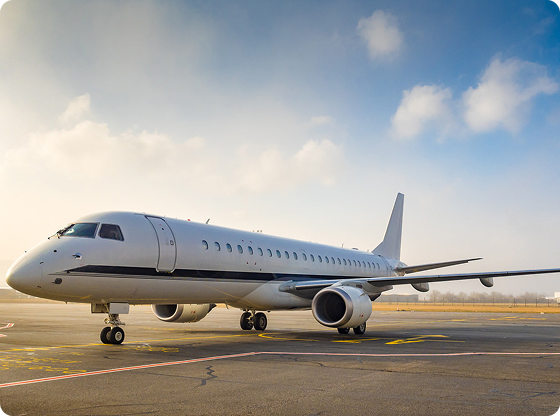
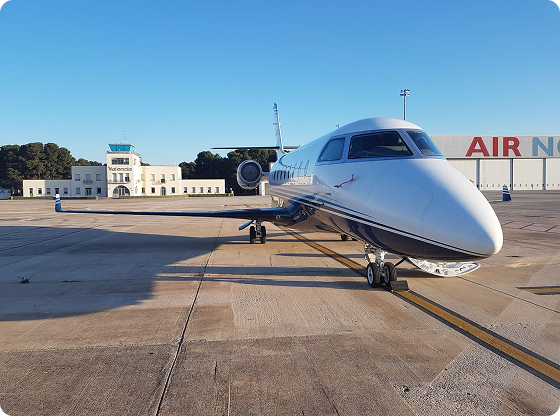
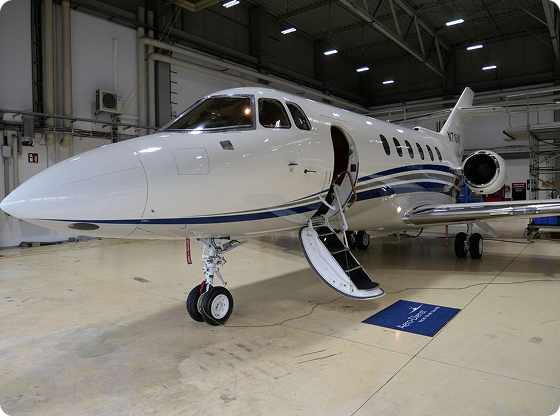
Aircraft such as the King Air 350, Phenom 300, Challenger 350, and Global 6000 are common in Canadian charter fleets, making them useful reference points for real-world capability discussions.
The sections below break down each category in more detail, including the routes each aircraft handles well and the factors that drive costs up within the tier.

Light Jets — What to Expect to Pay

For travellers flying short-haul routes in small groups, light jets offer a practical entry point into private charter. Private jet rental prices for this category reflect a more modest aircraft size, shorter range, and lower operational overhead relative to larger tiers — though booking conditions, routing, and aircraft positioning all influence what you ultimately pay.
Light jets carry 4 to 6 passengers and perform best on routes under 2.5 hours. In Canada, that comfortably covers city pairs like Toronto to Ottawa, Toronto to Montreal, and Vancouver to Calgary. They’re not the right choice for coast-to-coast trips, but for intra-provincial and inter-city travel, they deliver speed and comfort at a more accessible price point than larger aircraft.
The Phenom 300 is one of the most common light jets operating in Canadian charter fleets. It’s valued for its range, cabin efficiency, and consistency. If you’re quoted on a light jet in Canada, there’s a reasonable chance it’s a Phenom 300 or a Citation CJ2 or CJ3.
A few factors push light jet costs toward the higher end of the tier. If the aircraft is based at a different airport than your departure point, you’ll typically pay for the repositioning leg, which adds time and cost before your flight even begins. Peak season demand — ski season, summer holidays, major sporting events — tightens availability and can push rates higher. International legs that require customs clearance add coordination cost and sometimes additional crew requirements.
For short domestic routes with a small group, a light jet is often the most cost-effective way to access private air travel in Canada.

Midsize Jets — Pricing Overview

The midsize category is where most Canadian business charters occur. These aircraft cover coast-to-coast routes with ease, carry 6 to 8 passengers in a comfortable stand-up cabin, and hit a price point that works for corporate travel budgets without incurring heavy-jet economics.
Private jet charter cost for midsize and super-midsize jets reflects meaningful variation within the tier. The Citation Latitude sits firmly in the midsize category, while the Challenger 350 is widely recognized as a super-midsize aircraft — offering greater cabin width, extended range, and operational capability that competes with smaller heavy jets. These distinctions affect economics, range profiles, and trip cost.
The Challenger 350 in particular is the workhorse of Canadian charter fleets. It seats 8 to 10 passengers, offers true coast-to-coast range with no technical stops, and delivers a cabin width that genuinely competes with smaller heavy jets. If you’re flying from Toronto to Vancouver, the Challenger 350 is one of the first aircraft a well-run operator will propose.
What goes into an all-in trip cost on a Challenger 350?
A one-way charter from Toronto to Vancouver involves several cost components beyond the hourly flight rate. Each line item below varies based on aircraft positioning, the time of year, and specific route requirements — which is why two quotes for the same city pair on the same aircraft type can look very different:
• Billable flight hours for the westbound leg (approximately 5 hours)
• Repositioning fee, if the aircraft is based outside Toronto
• Landing and handling fees at the destination airport
• De-icing service, if departing October through April
• HST on the domestic Canadian charter

The sum of these variables is what you’re actually paying — not the headline hourly rate. What each item costs on your specific trip depends on where the aircraft starts, when you’re flying, and which airports are involved. For a complete, line-item quote, contact ACASS directly.
For multi-stop itineraries, the Challenger 350 also handles crew rest and range requirements that shorter-range midsize jets can’t. Routes like Calgary to Montreal with a stop in Toronto, or a two-city swing through Quebec, work cleanly within this aircraft category.

Heavy Jets and Long-Range Aircraft — Cost Guide

For transatlantic travel, large executive groups, or transcontinental non-stop flights, heavy jets are the operational standard. If you’re researching how much a private jet rental at this level costs, the heavy category represents the highest-cost tier in the Canadian business aviation market, with VIP airliners configured for private use sitting above standard heavy jets on every cost metric. Exact figures depend on aircraft, route, and operational requirements — contact ACASS for a personalized assessment.
Private jet charter pricing in the heavy category reflects the actual operating costs of these aircraft. Fuel burn rates are significantly higher than anything in the midsize tier. Crew requirements increase, with augmented crews required for flights over certain duration thresholds. Maintenance cycles are more intensive than anything in the midsize tier, and the per-hour operating cost reflects that directly.
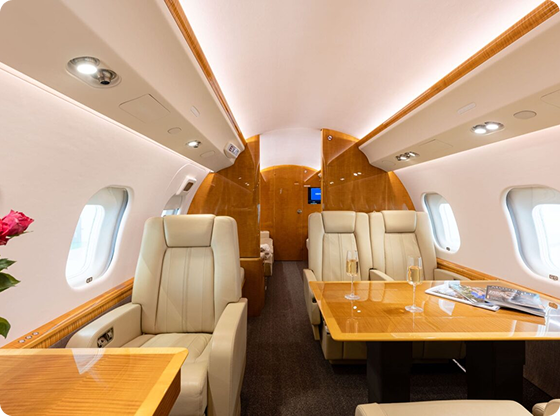
The most common heavy jet reference points in the Canadian market are the Global 6000, the Gulfstream GIV, and, for ultra-long-range missions, the Gulfstream G650. These aircraft carry 10 to 14 passengers, deliver intercontinental range without technical stops, and offer full stand-up cabins with sleeping configurations for overnight transatlantic legs.
When evaluating private jet rental prices in Canada, it’s worth understanding where demand is concentrated. Heavy jet traffic in Canada clusters around two primary hubs: Toronto Pearson and Vancouver International. Common routes include Toronto to London Heathrow, Vancouver to Tokyo, and both hubs to major European business destinations. For executives travelling internationally on a regular schedule, the private jet rental cost per hour at this level becomes more defensible when measured against the full cost and time implications of business-class or first-class alternatives on commercial carriers.
If your travel pattern involves intercontinental routes, large groups, or both, this category is where the operational conversation starts.

What Drives Private Jet Charter Pricing in Canada?

Understanding why quotes vary so widely is one of the most useful things a first-time charter buyer can learn. Private jet charter pricing is multi-variable, and the hourly rate is only the first number in the equation.
Aircraft type and size are the primary drivers. Every tier up in the aircraft category brings higher fuel burn, higher crew costs, and higher maintenance overhead. That’s reflected directly in the hourly rate.
Repositioning is the single largest source of cost surprise for new charter clients. If the aircraft best suited for your route isn’t based at your departure airport, you pay for the ferry flight to bring it to you. On a busy day, or in a less-served region of Canada, repositioning can add substantially to your trip cost before your passengers board.
De-icing is a Canada-specific line item that operators in the southern U.S. rarely encounter to the same extent. In Canada, de-icing procedures are a routine part of winter operations from October through April. Charges vary by aircraft size and the severity of conditions. On multi-leg trips or extended stays in winter conditions, this can stack up quickly.
Landing and handling fees vary significantly by airport. A charter arriving at Toronto Pearson faces different fee structures than one landing at a regional strip or a private FBO. Ground handling, ramp fees, and customs facilitation fees all appear on the final invoice and are rarely included in quoted hourly rates.
Fuel surcharges are one of the most variable components of any charter quote in 2026. Jet-A fuel prices fluctuate with global energy markets, and operators adjust surcharges accordingly. Some operators build fuel into the hourly rate; others quote fuel separately. Always confirm which applies.
Crew overnights on multi-day itineraries add hotel, per diem, and sometimes positioning costs for the flight crew. On a trip that keeps you in a destination for two or three nights, crew accommodation is an additional line item.
Peak demand periods tighten aircraft availability and push rates up across all categories. In Canada, peak periods cluster around major holidays, the ski season in Whistler and Mont-Tremblant, and major corporate events. Booking two to three weeks ahead during these windows is advisable.
HST applies to domestic Canadian charter flights at a meaningful rate and is routinely excluded from headline hourly rates. It is a standard addition to any invoice and should be accounted for when evaluating quoted trip costs.
The most complete question you can ask any operator before accepting a quote is: What is included in this number, and what isn’t? A transparent operator will give you a line-item breakdown. One that won’t is a signal worth heeding.

Empty Leg Flights — How to Save on Private Jet Travel in Canada

Empty leg flights are among the most effective ways to reduce private jet charter costs, provided your schedule allows for flexibility.
An empty leg occurs when a business jet needs to reposition — either returning to its home base after dropping off passengers or flying to pick up a new charter client. Rather than flying empty, operators offer these legs at a discount to fill seats and offset operating costs.
Empty legs offer meaningful savings relative to equivalent on-demand charter rates — the discount exists precisely because seats that would otherwise travel empty are made available to flexible travellers. A Toronto-to-Vancouver leg on a Challenger 350, for instance, could be available as a positioning flight at a substantially reduced cost compared to a standard on-demand booking for the same route and aircraft.
The trade-off is fixed routing and timing. An empty leg goes where the aircraft is going, on the schedule the operator needs. You can’t change the destination or the departure time. For travellers with flexible schedules or those who need to move in a specific corridor and can tolerate variable timing, empty legs can make private aviation significantly more accessible.
Empty-leg corridors in Canada that occur with regularity include Toronto to Montreal, Calgary to Vancouver, and Toronto to Vancouver, corresponding to the country’s highest-demand charter routes. Whistler ski season generates a consistent inventory of one-way positioning flights.
Accessing empty legs requires either a direct relationship with an operator or monitoring an operator’s published availability. Signing up for notifications directly through an operator’s platform gives you the fastest access to new listings.
Explore available empty leg flights through ACASS: Explore ACASS empty leg availability.

On-Demand Charter vs. Charter Account — Which Costs Less?

For travellers who fly private more than once or twice a year, how you structure access to aircraft affects what you actually pay — not just per trip, but across the full year.
On-demand charter is the straightforward model. You book when you need it, pay for that flight, and carry no ongoing commitment to an operator or fleet. Private jet charter pricing on an on-demand basis is transparent per trip, and you retain complete flexibility over aircraft selection, routing, and timing. For travellers making one to three private flights annually, or those whose routes vary too much to predict, on-demand is usually the right fit. There’s no pre-purchased inventory sitting idle, and no structure working against you when your needs change.
Charter accounts operate on a different logic. A charter account is a pre-negotiated arrangement with an operator that typically includes agreed-upon rate structures, priority access to managed aircraft, and sometimes pre-purchased flight hours. For corporate clients or frequent flyers operating consistent routes at higher volume, the economics generally favour this model. Rate locks eliminate spot-market variability, and priority access matters most during peak-demand windows — when on-demand availability tightens and private jet rental prices in Canada rise.
When a charter account works against you: infrequent travellers, those with unpredictable routing, or anyone unlikely to use pre-purchased hours will find that the structure erodes the theoretical savings. Flexibility has real value, and committing to a fleet or operator that doesn’t suit your travel pattern costs more than it saves.
The reason this comparison matters beyond the immediate cost question is that many clients researching how much a private jet rental costs are evaluating private aviation as a longer-term arrangement, not a one-off booking. A charter account with an operator who also manages aircraft creates continuity of service, consistent safety standards, and cost transparency that aggregator platforms and one-off broker bookings don’t replicate. For the corporate or repeat-traveller audience, that distinction shapes the total value of the relationship — not just the per-flight invoice.
Request a private jet rental quote from ACASS.

How ACASS Approaches Private Jet Charter Pricing?

Most ACASS clients don’t arrive at a charter conversation in isolation. They’re evaluating charter alongside aircraft ownership, management arrangements, or leasing — and that context shapes how the pricing conversation unfolds differently than it would with a broker or aggregator platform.
Understanding the cost of private jet rental through an operator starts with a structural difference. As a Canadian operator with managed aircraft, ACASS has direct visibility into fleet availability and actual cost structures that marketplace brokers lack. When a broker quotes a flight, they’re working from a secondary relationship with the operating carrier. When an operator quotes, they’re drawing on first-hand knowledge of where the aircraft is, what it costs to operate on that specific route, and what the real trip cost looks like before it becomes an invoice.
What clients consistently raise when they’re researching how much a private jet rental costs across different channels is the same concern: they want a number they can trust. Not a range that widens between the initial conversation and the final bill. The friction in private aviation isn’t the price itself. It’s the uncertainty about what the price actually is.
The way ACASS builds quotes addresses this directly. What’s included is stated clearly upfront. What isn’t — whether that’s repositioning if the aircraft is based elsewhere, de-icing during seasonal windows, or airport handling fees at the destination — is disclosed before any commitment is made. For clients comparing private jet rental prices in Canada across multiple operators, that transparency is a meaningful differentiator.
The operator-versus-broker distinction extends beyond pricing as well. Accountability for aircraft condition, maintenance standards, safety oversight, and crew quality sits with the operator, not with an intermediary who listed the flight. ACASS holds IS-BAO Stage 3 and ARGUS Gold certifications — industry benchmarks that define the operational standard clients fly under on every booking.
For clients evaluating charter as one option within a broader aviation strategy, the advisory conversation that comes from working with an operator — rather than a marketplace — reflects that context. The objective isn’t to place a single booking. It’s to identify the access model that fits the actual travel pattern. That’s what Own Your Journey® means in practice. Browse the ACASS charter fleet.
The variables that shape charter costs are addressed throughout this guide — connect with a specialist for figures specific to your situation.

Frequently Asked Questions

How much does it cost to rent a private jet per hour in Canada?
Private jet rental cost per hour in Canada depends on the aircraft category, the specific route, positioning requirements, and time of year. Turboprops represent the most accessible entry point for short regional routes, followed by light jets for intra-provincial travel, midsize jets for coast-to-coast routes, and heavy jets for intercontinental missions. Each tier carries meaningfully different operational overhead — fuel burn, crew requirements, and maintenance cycles all scale with aircraft size, and those costs are reflected in the hourly rate. Knowing how much a private jet rental costs, however, requires looking beyond the hourly rate. Repositioning fees, de-icing, landing charges, fuel surcharges, and HST all contribute to the final invoice. Contact ACASS for a complete, itemized breakdown by route and aircraft category.

What is the cheapest way to fly private in Canada?
The lowest private jet rental prices in Canada come from three sources: turboprops on short regional routes, empty leg flights on corridors that match your schedule, and charter accounts for travellers who fly frequently enough to qualify for pre-negotiated rates. Turboprops are the most affordable aircraft category, well-suited to routes under 90 minutes. Empty legs offer meaningful savings over on-demand rates, but require flexibility on route and departure time. The cost of private jet rental also decreases when you avoid peak-demand periods — ski season and major holidays — when availability tightens and rates rise across categories. Booking with adequate lead time gives operators room to source better-positioned aircraft at more competitive rates. Connect with an ACASS specialist to explore which access model best fits your travel pattern.

Do private jet prices in Canada include taxes and airport fees?
Most quoted private jet charter pricing in Canada covers flight time only. HST applies to domestic flights in Canada and is almost always listed as a separate line item on the final invoice. De-icing — a routine procedure from October through April — is an additional charge that varies by aircraft size and the severity of weather conditions. Private jet rental prices also typically exclude landing and handling fees, repositioning charges if the aircraft is based elsewhere, fuel surcharges, and crew overnights on multi-day trips. Before accepting any quote, ask the operator to confirm which of these items are included and which will appear on the final invoice. A transparent operator will walk you through each line item without hesitation.

What is the difference between a private jet charter and an empty leg flight?
A private jet charter is a flight arranged specifically for you, with full control over the aircraft, route, and departure time. An empty leg is a repositioning flight that an operator discounts because the aircraft would otherwise travel empty between assignments. Private jet rental prices on empty legs can be meaningfully lower than equivalent on-demand rates, but the route and schedule are fixed by the operator’s operational need — not your preference. Empty legs work best for flexible travellers who need to move along a corridor where positioning flights occur regularly, such as Toronto to Montreal or Calgary to Vancouver. The trade-off is straightforward: savings in exchange for schedule control. Signing up directly with an operator for empty leg notifications is the most reliable way to access available positioning flights.

Is it cheaper to charter a private jet or buy one in Canada?
For most travellers, the private jet charter cost is lower than ownership below a threshold of annual flight hours where the capital commitment becomes economically justifiable. Below that threshold, the cost of acquisition combined with maintenance, storage, insurance, crew salaries, and regulatory compliance makes ownership significantly more expensive on a per-hour basis than equivalent charter access. Above that threshold — when annual utilization becomes substantial and consistent — the economics begin to favour a managed aircraft program, particularly when the aircraft is placed in a charter management program to offset fixed costs. The right answer depends on your specific utilization pattern, routing, and financial structure. For travellers weighing the options, leasing is a useful intermediate step worth comparing before committing to either model. Compare: private jet leasing vs charter.