
Our
Locations
-
World HQ

6700 Côte de Liesse, suite 206,
+1 514 636-1099
Montréal, Canada,
H4T 2B5 -
Ireland

Suite 3230, Building 3000, Westpark Business Campus, Shannon, Clare, V14 AN29
+353 61 475 802 -
San Marino

World Trade Center, Via Consiglio dei Sessanta,
+39 0549 942-551
99, 47891 Dogana, San Marino


Turboprop Aircraft Charter, Management and Acquisition
Turboprop aircraft combine turbine-engine reliability with propeller efficiency, making them one of business aviation’s most versatile categories. ACASS advises clients across the full turboprop lifecycle — from charter access and fleet management through to acquisition and entry into service.
Connect With a Specialist
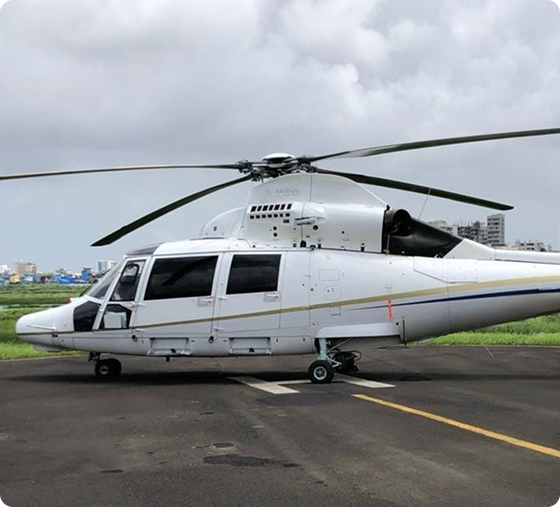
What Is a Turboprop Aircraft?
A turboprop aircraft is powered by a turbine engine that drives a propeller, combining the reliability of jet propulsion with the fuel efficiency of a propeller-driven aircraft. Turboprops burn Jet-A fuel and are available in single-engine and twin-engine configurations. They operate effectively at lower altitudes and access shorter runways than comparably sized jets, opening regional and remote airports otherwise unavailable to business aviation clients.
Single-Engine and Twin-Engine Turboprops
Single-engine turboprop aircraft, led by the Pilatus PC-12, offer range, cabin volume, and short-field performance suited to regional and owner-operated missions. Twin-engine turboprop aircraft, including the Beechcraft King Air family, add redundancy and higher passenger capacity for more demanding itineraries. The right configuration depends on route profile, passenger numbers, and operational risk preferences. ACASS advisors assess these factors before recommending a platform for charter, management, or acquisition.
Pilatus PC-12 vs. Beechcraft King Air
The Pilatus PC-12 is the world’s best-selling single-engine turboprop, valued for its pressurised cabin, cargo-door flexibility, and short-field capability. The Beechcraft King Air family is the dominant twin-engine platform in business aviation, offering a range of cabin sizes across its model variants. Neither is universally superior. The right choice depends on operational profile, route structure, and ownership objectives. ACASS evaluates both platforms in the context of each client’s mandate.
Turboprop Aircraft Charter with ACASS
Regional Reach and Route Access
Turboprop aircraft serve destinations where jet access is restricted by runway length or infrastructure. For itineraries requiring regional flexibility, the category opens routes that larger business jets cannot serve.
Operational Efficiency at Regional Scale
Turboprop charter suits clients whose itinerary benefits from the category’s fuel efficiency and short-field capability — practical advantages for regional operations where runway access limits jet viability.
Verified Safety Standards
ACASS’s charter service operates under IS-BAO Stage 3 certification and has held ARGUS Gold rating since 2013, with both safety and operational standards independently verified through each framework.
Trusted by Global Clients
ACASS has served clients across six continents, including multinational corporations, family offices, and leading aviation organisations. Clients confirmed on acass.com include Dangote Group, REPSOL, Holtec International, TAG Aviation, Penske Media, and Sofina Foods. For clients operating turboprop aircraft in managed fleets, ACASS’s account-managed approach provides operational continuity, safety oversight, and direct technical consultancy. These relationships reflect 30+ years of consistent delivery across every category of business aviation engagement.
Turboprop Aircraft Management and Ownership
For clients considering ownership rather than charter, ACASS provides aircraft management services covering crew management, maintenance coordination, regulatory compliance, and safety oversight. Managed turboprop operations benefit from the same IS-BAO Stage 3 framework and ARGUS Gold standards applied across all ACASS-managed aircraft. Clients exploring turboprop acquisition receive full buy-side advisory, from market search through pre-buy inspection coordination and post-delivery entry into service support.
The ACASS Turboprop Advantage
ACASS brings 30+ years of business aviation advisory to turboprop clients across charter, management, and acquisition, spanning 56 countries. IS-BAO Stage 3 certification, ARGUS Gold since 2013, and IADA Accredited Dealer status since 2019 independently verify its operational and transaction standards. As a consultant rather than a broker, ACASS applies independent judgement to every turboprop mandate. The first step is a direct conversation with a named ACASS specialist.
Frequently Asked Questions
-
A turboprop aircraft is powered by a turbine engine that drives a propeller to produce thrust, rather than generating thrust directly through jet exhaust. This combines the reliability of a gas turbine with the fuel efficiency of a propeller-driven aircraft, particularly at lower altitudes and shorter ranges. Turboprops burn Jet-A fuel, are available in single-engine and twin-engine variants, and are widely used in business aviation for regional and owner-operated travel.
-
The primary difference is propulsion. A turboprop engine drives a propeller via a turbine, while a jet generates thrust directly through exhaust. Turboprops are more fuel-efficient on shorter routes and at lower altitudes, and operate from significantly shorter runways than comparably sized business jets. Business jets offer higher cruise speeds and longer range. For regional operations and airports with limited runway infrastructure, a turboprop is frequently the more practical choice.
-
Turboprop aircraft offer short-field capability, fuel efficiency on regional routes, and access to airports unavailable to business jets. Their ability to use shorter runways opens destinations jets cannot reach. Modern turboprops combine these operational strengths with pressurised cabins, advanced avionics, and executive interior configurations that meet business aviation standards. For operators in remote or geographically complex markets, these advantages are operationally decisive.
-
The Pilatus PC-12 is consistently ranked the world’s best-selling single-engine turboprop, valued for its pressurised cabin, cargo-door versatility, range, and short-field capability. Whether it is the best depends on the operational profile. For clients requiring twin-engine redundancy or higher passenger capacity, the Beechcraft King Air family remains the dominant platform. An ACASS advisor evaluates both options in context before recommending either for charter, management, or acquisition.
-
ACASS offers turboprop charter access for clients whose route distance, airport access, and group size align with the category’s performance profile. For owners, ACASS’s management service covers the full operational lifecycle: crew, maintenance, regulatory compliance, and safety oversight under IS-BAO Stage 3 and ARGUS Gold frameworks. Clients exploring acquisition receive full buy-side advisory from market search through entry into service. A named ACASS specialist will assess the right service model.
