
Our
Locations
-
World HQ

6700 Côte de Liesse, suite 206,
+1 514 636-1099
Montréal, Canada,
H4T 2B5 -
Ireland

Suite 3230, Building 3000, Westpark Business Campus, Shannon, Clare, V14 AN29
+353 61 475 802 -
San Marino

World Trade Center, Via Consiglio dei Sessanta,
+39 0549 942-551
99, 47891 Dogana, San Marino


How Fast Do Private Jets Fly? Speed, Altitude, and Range Explained
How fast do private jets fly? Most cruise near Mach 0.80 to 0.85, though speed is only part of the picture. It connects directly to altitude and range, and all three vary by aircraft class. This guide explains each in turn, and you can explore available charter aircraft to see how the classes compare.
- Light and midsize jets: at the slower end of business jet speeds.
- Super-midsize and heavy jets: within the common band.
- Ultra-long-range jets: toward the upper end.
- Light jets: short regional hops.
- Midsize and super-midsize jets: continental routes.
- Heavy jets: transatlantic distances, covered in our heavy jet guide.
- Ultra-long-range jets: nonstop ocean crossings, including transpacific routes.

Typical cruise speeds by aircraft class
Private jet cruise speed is published as a Mach number, a multiple of the speed of sound. Most business jets cruise in the Mach 0.80 to 0.85 band, while the fastest heavy jets approach Mach 0.90. Mach converts to mph or km/h differently by altitude.
How private jet speed compares to commercial airliners
Commercial airliners cruise at roughly 460 to 575 mph, or about 740 to 925 km/h. So how fast do private jets fly by comparison? Business jets cruising near Mach 0.80 to 0.85 are broadly comparable, and sometimes slightly faster. Raw cruise speed rarely explains the difference between the two. The meaningful savings come from routing and ground efficiency, covered below, rather than from speed in the air.
How high business jets fly and why altitude matters
How high do private jets fly? Private jet cruising altitude is commonly 40,000 to 45,000 feet, and some aircraft reach about 51,000 feet near their service ceiling, the maximum altitude they can sustain. At that height, a jet sits above most commercial traffic and weather, with less turbulence, smoother air, and more direct routing.
Altitude is reported as a flight level, so 40,000 feet appears as FL400.
How far each jet class can fly nonstop
A private jet’s nonstop range depends on class. Range is measured in nautical miles, and business jet range by class breaks down as follows:
Published range assumes specific conditions, so always confirm it for your route.
Ground speed versus airspeed explained
Airspeed is how fast an aircraft moves through the air. Ground speed is how fast it moves over the ground, and it determines how long a trip takes. A headwind lowers ground speed, and a tailwind raises it. The jet stream, a fast band of high-altitude wind, can change ground speed noticeably in either direction. That is why the same route can take longer one way than the other.

How much time you actually save flying private
Much of the time advantage comes from the ground, not from airspeed. Private terminals known as FBOs shorten boarding, and access to secondary airports can put you closer to your destination. Direct routing and fewer connections compound the saving, so the benefit is greatest on itineraries that would otherwise involve a connection. Treat any single time-saved figure with caution, because it depends on the route, airports, and schedule.
The fastest private jets in service today
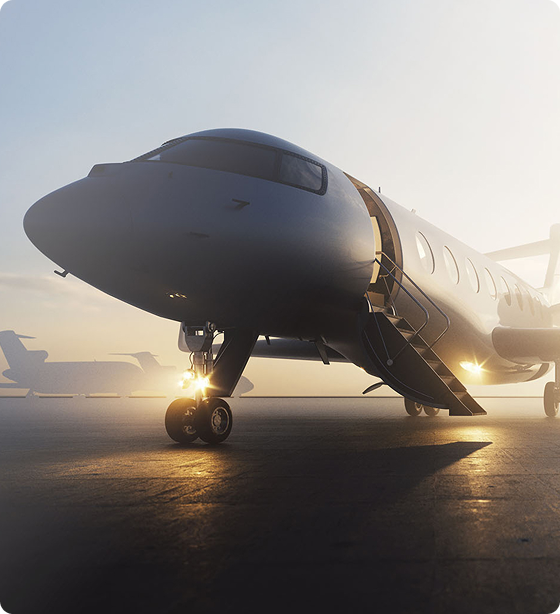
The fastest private jets are ultra-long-range aircraft with top speeds near Mach 0.90 to 0.925. Mach 0.925 is a maximum operating speed (MMO), a limit crews do not exceed, so everyday cruise sits below it. Gulfstream and Bombardier, with its Global family, build aircraft at the top of this band. Treat this as context rather than a ranking, since figures vary by model and conditions.
Choosing aircraft performance for your route
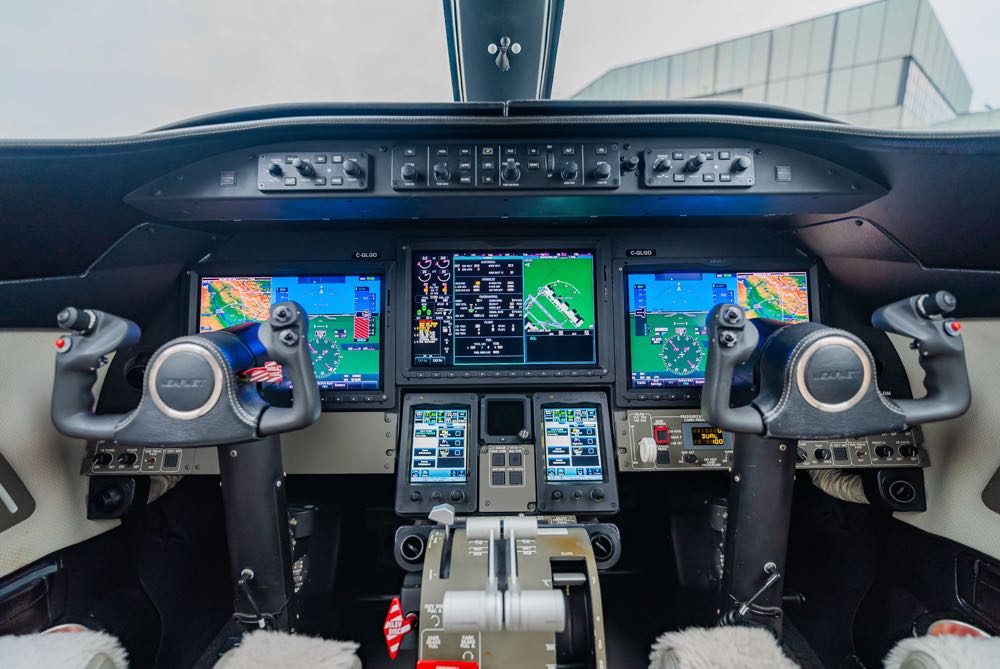
Route distance, passenger count, and runway length shape the right class. A longer nonstop route favors heavy or ultra-long-range jets, while short regional trips suit light or midsize aircraft. Passenger count affects cabin size and payload, and shorter runways at smaller airports can rule out larger jets. Matching these three factors to nonstop capability avoids unnecessary fuel stops and oversized aircraft.
How weather, payload, and routing affect real-world speed
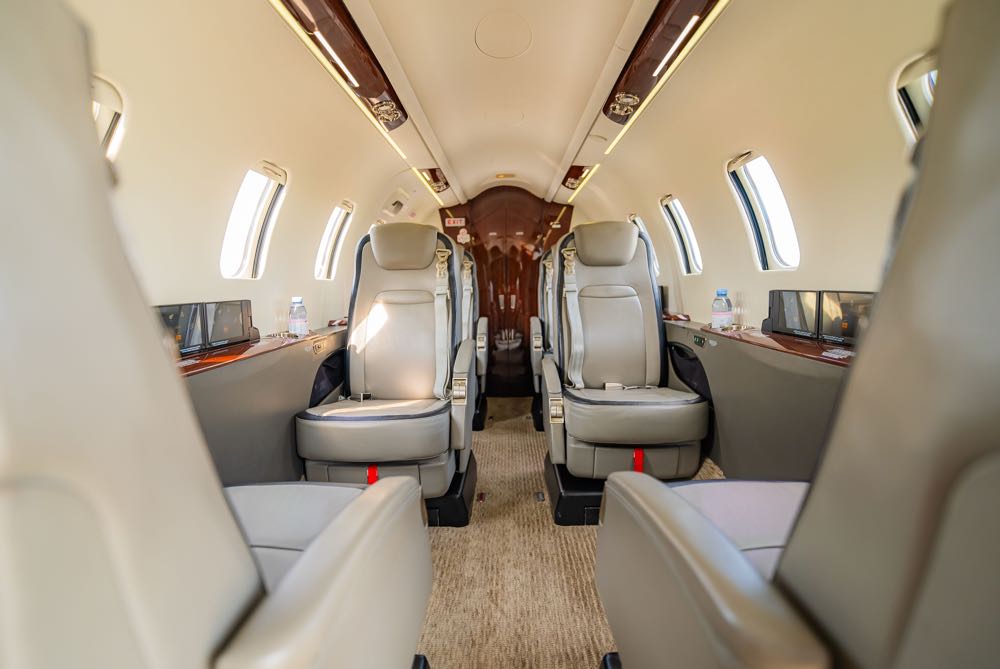
Published speed and range are book figures, and real flights differ. Payload and fuel load add weight, weather shifts ground speed, and air traffic control routing can lengthen a trip. A heavier aircraft may not reach its highest altitude early on, so a private jet’s practical altitude depends on its weight. As fuel burns off, altitude steps called step climbs allow a higher, more efficient cruise.
Balancing speed, range, and efficiency for our trip
The fastest cruise is not always the most efficient. Long-range cruise settings trade some speed for distance and fuel efficiency, which suits long transoceanic trips. A time-critical trip may favor a faster setting, while a long crossing may favor efficiency. Matching the cruise setting to the trip type matters more than chasing the highest number, and the right aircraft depends on your priorities.
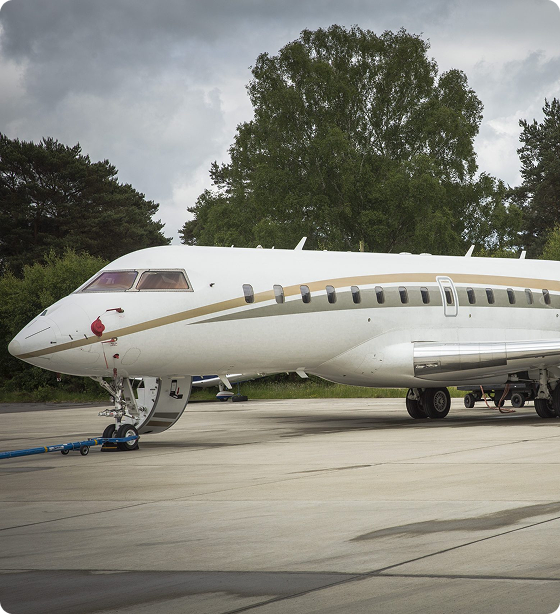
Speed, altitude, and range across ACASS charter aircraft
ACASS is a business aviation charter operator holding Air Operator Certificates (AOCs) in Canada, Ireland, and San Marino, with charter aircraft spanning light through ultra-long-range classes. IS-BAO Stage 3 and ARGUS Gold support its safety standards, and 30+ years across 56 countries shape its consultative approach. To compare performance with your itinerary, browse the aircraft available for charter, and specialists can help match a class to your route.
Conclusion
How fast do private jets fly? Most cruise near Mach 0.80 to 0.85, high above most weather, and each class reaches a different distance. Light jets suit short hops, while the longest-range jets cross oceans. Performance should follow your route and priorities, not headline speed alone. To match these figures to your trip, explore private jet charter with ACASS and talk it through with a specialist.
Frequently Asked Questions
-
Private jets typically cruise around Mach 0.80 to 0.85, while commercial aircraft cruise at roughly 460 to 575 mph, so speeds are broadly comparable. The real advantage comes from routing and ground efficiency, not airspeed. Private terminals, direct routing, and access to more airports shorten the overall trip, even though the aircraft itself is not dramatically faster in the air.
-
Most of the time saved comes on the ground, not in the air. Private terminals, faster boarding, and access to more airports reduce the overall time spent before and after the flight. Direct routing and fewer connections add to the savings. The total depends on the route, the airports, and the alternative itinerary, so it is best estimated trip by trip rather than assumed in advance.
-
The fastest business jets reach top speeds near Mach 0.90 to 0.925, with the quickest models reaching Mach 0.925. They are ultra-long-range aircraft from manufacturers such as Gulfstream and Bombardier, whose Global family sits in this group. Rankings shift by model, configuration, and conditions, so treat top speed as one factor alongside range, cabin, and the demands of the route. Published top speeds describe capability, not a typical flight.
-
Business jets commonly cruise at 40,000 to 45,000 feet, which keeps them above most commercial traffic and weather. Smoother air and more direct routing improve efficiency and comfort at that height. Some aircraft can climb to about 51,000 feet. Altitude is a design capability as much as a choice, and it is one reason private jet cruising altitude differs from that of airliners.
-
Range depends on class. Light jets suit short hops, midsize and super-midsize jets cover continental routes, and ultra-long-range jets cross oceans nonstop. Payload, fuel, and weather affect real nonstop range, so published figures describe ideal conditions rather than every flight. Confirm a private jet’s range for a given trip against the specific route and passenger load.
-
Yes. Heavier payload and fuel loads can lower cruise speed and limit altitude early in a flight. As fuel burns off, the aircraft becomes lighter and can climb higher, where it cruises more efficiently. This is why the same aircraft can perform differently on two flights, and why published figures work best as a guide rather than a promise for any single trip.
